Posted on

Exploring the Art of Cooking with Herbs and Spices

In the vibrant world of cooking, herbs and spices play a crucial role in transforming ordinary dishes into extraordinary culinary experiences. From the fragrant basil of Italian cuisine to the bold cumin found in Indian dishes, each herb and spice brings its own unique flavor and character. This article explores the fascinating realm of herbs and spices, their history, health benefits, and how to use them effectively in your cooking.

The Basics: Understanding Herbs and Spices

While often used interchangeably, herbs and spices are distinct in their origins. Herbs typically come from the leafy green parts of plants, whereas spices are derived from other plant parts, such as seeds, roots, or bark. For instance, parsley, cilantro, and thyme are considered herbs, while cinnamon, nutmeg, and black pepper are classified as spices. Understanding these differences helps in selecting the right ingredients for various recipes.

A Brief History of Herbs and Spices

Historically, herbs and spices have been cherished not just for their flavors but also for their medicinal properties. Ancient civilizations, such as the Egyptians and Greeks, utilized various herbs for both cooking and healing. The spice trade, particularly during the Middle Ages, played a significant role in global commerce, with spices like pepper and saffron fetching high prices. The journey of these flavorful ingredients has woven them into the cultural fabric of cuisines worldwide.

The Health Benefits of Cooking with Herbs and Spices

In addition to enhancing flavors, many herbs and spices boast impressive health benefits. For example, turmeric, with its active compound curcumin, is known for its anti-inflammatory properties. Garlic is celebrated for its heart health benefits, while ginger can aid digestion. By incorporating a variety of herbs and spices into your meals, you not only elevate the taste but also support your overall well-being.

Common Herbs and Their Culinary Uses

1. Basil: A staple in Mediterranean cuisine, basil pairs beautifully with tomatoes, making it ideal for sauces, salads, and pizzas. Its sweet, peppery flavor adds freshness to any dish.

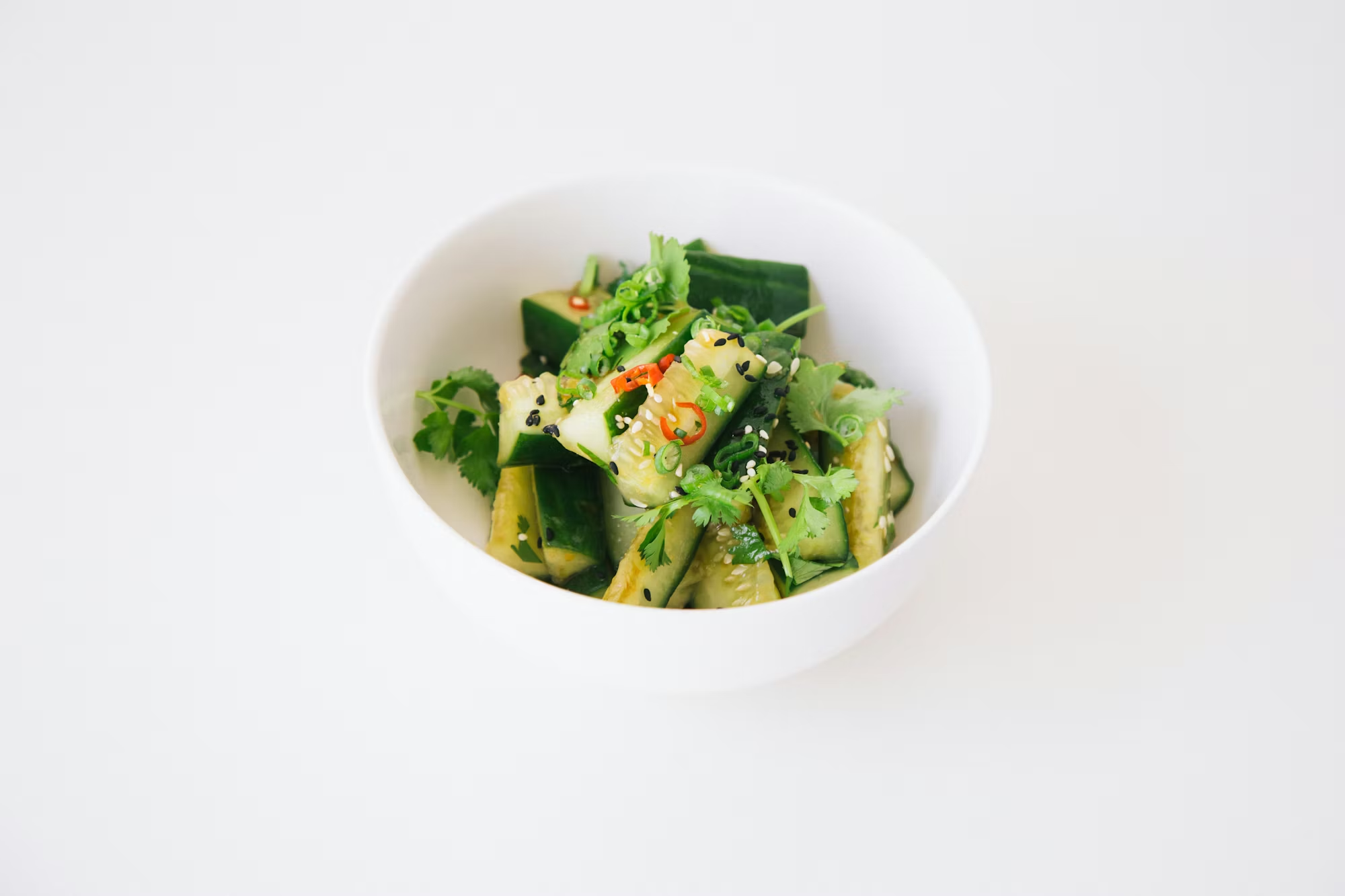
2. Cilantro: Often used in Latin American and Asian dishes, cilantro has a bright, citrusy flavor that enhances salsas, curries, and salads. Its leaves and stems are used in cooking, while the seeds are ground into coriander spice.

3. Thyme: With its earthy and slightly minty flavor, thyme is versatile in various dishes, from roasted meats to hearty soups. It complements both savory and sweet recipes, making it a kitchen essential.

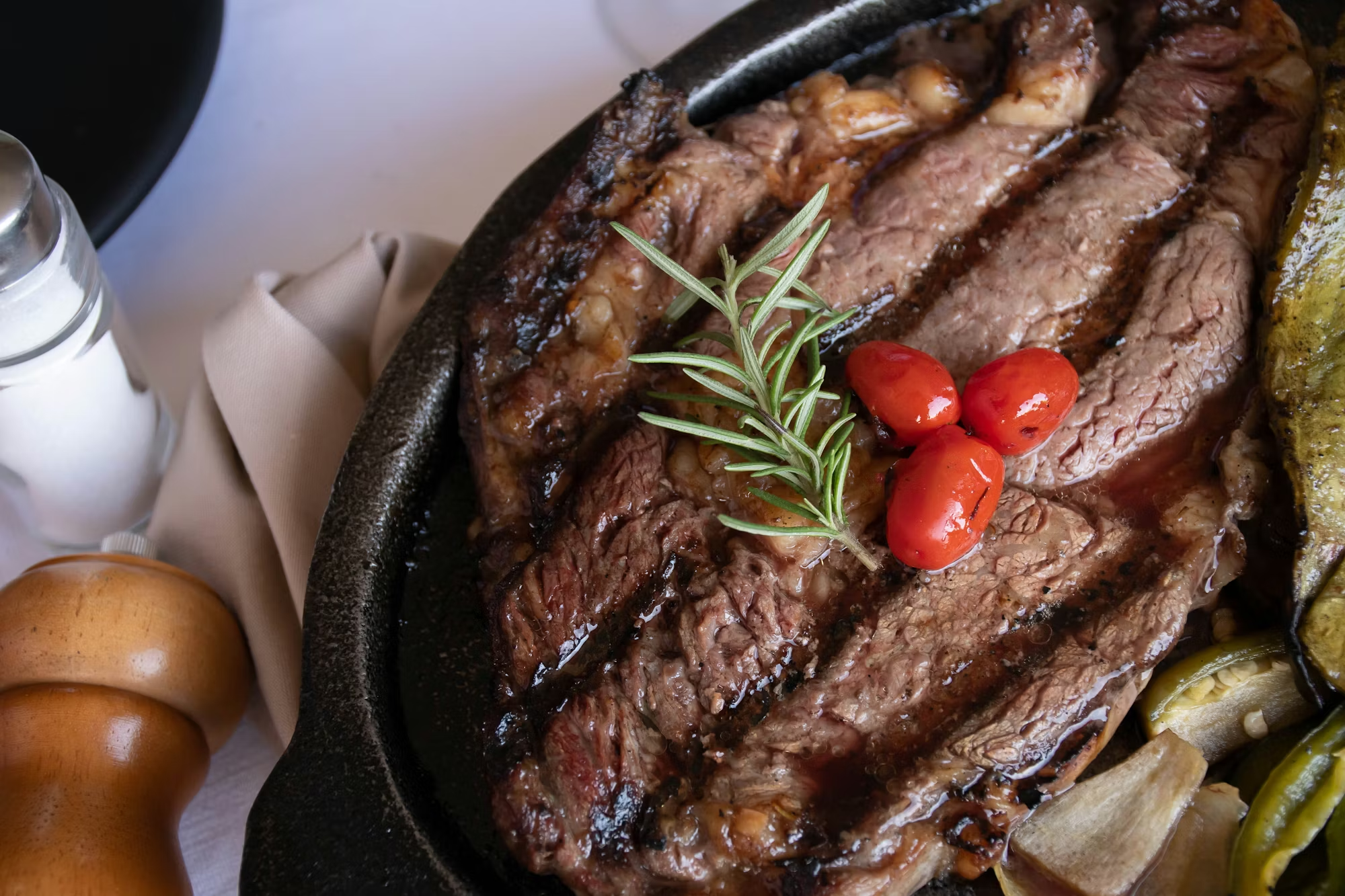
4. Rosemary: Known for its strong, aromatic profile, rosemary pairs well with roasted vegetables, meats, and bread. Its needle-like leaves can be used fresh or dried, imparting a distinct flavor.

5. Mint: Fresh mint leaves add a refreshing touch to beverages, salads, and desserts. They can also be used in savory dishes, such as lamb or yogurt sauces, creating a delightful contrast.

Essential Spices and Their Flavor Profiles

1. Cumin: With its warm, earthy flavor, cumin is a staple in Indian, Middle Eastern, and Mexican cuisines. It adds depth to curries, stews, and spice blends like garam masala.

2. Paprika: This vibrant red spice varies in flavor from sweet to smoky. It’s commonly used in Hungarian dishes and adds color and flavor to everything from soups to grilled meats.

3. Cinnamon: Known for its sweet and warm profile, cinnamon is used in both sweet and savory dishes. It enhances desserts, but also finds its way into curries and stews, offering a unique flavor twist.

4. Ginger: Fresh or ground, ginger is essential in Asian cuisine. Its spicy, zesty flavor adds brightness to stir-fries, marinades, and baked goods.

5. Black Pepper: Often referred to as the ‘king of spices’, black pepper enhances almost any dish with its pungent flavor. It’s a must-have for seasoning meats, vegetables, and salads.

Tips for Using Herbs and Spices in Your Cooking

1. Fresh vs. Dried: Fresh herbs often have a more vibrant flavor compared to dried ones. Use fresh herbs in salads, dressings, or as a garnish. Dried herbs are more concentrated and should be used in cooked dishes, allowing their flavors to meld.

2. Timing Matters: Add fresh herbs towards the end of cooking to preserve their flavor, while dried herbs can be added earlier in the cooking process to enhance the dish.

3. Experiment with Combinations: Don’t be afraid to mix herbs and spices to create your own signature blends. For instance, a combination of rosemary and garlic works wonderfully with roasted vegetables.

4. Storage: Store dried herbs and spices in a cool, dark place to maintain their potency. Fresh herbs can be kept in the refrigerator wrapped in a damp paper towel, or even in water like a bouquet.

5. Taste as You Go: The best way to learn about flavors is to experiment in the kitchen. Taste your dishes as you cook to find the perfect balance of herbs and spices.

Recipes to Try

To put your newfound knowledge into practice, here are a couple of simple recipes that highlight the use of herbs and spices:

Herb-Infused Olive Oil
Ingredients: 1 cup olive oil, 1/4 cup fresh herbs (such as basil, thyme, or rosemary), 2 cloves garlic (optional).
Instructions: Combine olive oil and herbs in a small saucepan over low heat. If using garlic, add it as well. Heat gently for 10-15 minutes to infuse the flavors. Let it cool, strain, and store in a bottle.

Spiced Roasted Vegetables
Ingredients: 4 cups mixed vegetables (like carrots, bell peppers, and zucchini), 2 tablespoons olive oil, 1 teaspoon cumin, 1 teaspoon paprika, salt, and pepper to taste.
Instructions: Preheat the oven to 425°F (220°C). Toss vegetables with olive oil and spices. Spread on a baking sheet and roast for 25-30 minutes, until tender and caramelized.

Conclusion: Elevate Your Cooking with Herbs and Spices

Incorporating herbs and spices into your cooking not only enhances flavors but also invites creativity and exploration in the kitchen. By understanding their origins, benefits, and culinary uses, you can transform ordinary meals into extraordinary feasts. So, gather your herbs and spices, experiment with flavors, and let your culinary journey begin!

Posted on

Exploring the Culinary Delights of Berries: A Comprehensive Guide

Berries are among nature’s most delightful offerings, celebrated for their vibrant colors, unique flavors, and nutritional benefits. From the sweet and juicy strawberry to the tart raspberry, berries are not just delicious; they are also incredibly versatile in the kitchen. This article will explore the different types of berries, their health benefits, culinary applications, and best practices for storage to help you fully appreciate these small yet powerful fruits.\n\n Types of Berries\nBerries can be categorized in various ways, including by their botanical classification and culinary uses. Understanding these distinctions can help us appreciate their diversity and how they can enhance our meals.\n\n True Berries\nIn botanical terms, true berries are fruits that develop from a single ovary and contain seeds embedded in the flesh. Common examples include grapes, tomatoes, and bananas, although many might not consider these fruits as traditional berries. Grapes, for instance, are often enjoyed fresh, dried into raisins, or fermented into wine, showcasing their versatility.\n\n Aggregate Berries\nAggregate berries, on the other hand, develop from multiple ovaries of a single flower. Strawberries, blackberries, and raspberries fall into this category. Each of these fruits offers a unique taste and texture, making them popular in a variety of dishes. Strawberries are particularly loved for their sweetness and bright red color, while blackberries and raspberries provide a delightful balance of sweetness and tartness.\n\n Nutritional Benefits of Berries\nBerries are not only tasty but also packed with essential nutrients. They are low in calories and high in vitamins, minerals, and antioxidants, making them an excellent addition to any diet.\n\n High in Antioxidants\nOne of the standout features of berries is their high antioxidant content. Antioxidants help combat oxidative stress in the body, which can lead to chronic diseases. Blueberries are particularly noted for their antioxidant properties, making them a popular choice for health-conscious consumers.\n\n Rich in Vitamins and Fiber\nBerries are also a great source of vitamins, particularly vitamin C and vitamin K. For example, a cup of strawberries provides more than 100% of the daily recommended intake of vitamin C, supporting immune function and skin health. Additionally, berries are rich in dietary fiber, which promotes digestive health and helps maintain a feeling of fullness.\n\n Culinary Uses of Berries\nBerries are incredibly versatile in the kitchen, lending their flavors and colors to both sweet and savory dishes. Understanding how to use them can elevate your culinary creations.\n\n Fresh and Juicy\nMany people enjoy berries fresh, whether in fruit salads, smoothies, or as a simple snack. The natural sweetness and vibrant color of berries make them perfect for enhancing breakfast dishes like yogurt and oatmeal. A handful of fresh berries can turn a plain bowl of oatmeal into a colorful, nutritious meal.\n\n Baking with Berries\nBerries also shine in baking. Blueberry muffins, raspberry tarts, and strawberry shortcakes are just a few examples of how these fruits can elevate desserts. The natural sugars in berries caramelize beautifully during baking, providing a sweet and tangy flavor that pairs well with buttery pastry or rich cream.\n\n Sauces and Jams\nMaking sauces or jams from berries is another delightful culinary use. Berry compotes can be drizzled over pancakes, waffles, or desserts, adding a burst of flavor. Homemade jams allow you to preserve the goodness of berries and enjoy them throughout the year.\n\n Savory Dishes\nBerries can even find their way into savory dishes. For instance, a salad featuring spinach, goat cheese, and sliced strawberries creates a refreshing and elegant dish. Similarly, a chicken dish topped with a raspberry sauce can provide an interesting contrast of flavors, elevating the meal.\n\n Storage Tips for Berries\nTo enjoy the freshness of berries, proper storage is essential. These fruits are delicate and can spoil quickly if not stored correctly. Here are some tips to keep your berries fresh longer.\n\n Refrigeration\nMost berries should be stored in the refrigerator to maintain their freshness. Place them in a breathable container, such as a berry basket or a bowl covered with a paper towel, to absorb excess moisture. This helps prevent mold from developing.\n\n Washing Before Use\nIt’s best to wash berries just before consuming them rather than before storing them. Washing them too early can cause them to spoil faster due to trapped moisture. When you’re ready to eat or cook with them, rinse gently under cool water and pat them dry.\n\n Freezing Berries\nIf you have an abundance of berries, consider freezing them for later use. Spread washed and dried berries on a baking sheet in a single layer, freeze until solid, and then transfer them to airtight containers or freezer bags. This method preserves their flavor and nutrients, allowing you to enjoy them in smoothies or baked goods throughout the year.\n\n Conclusion\nBerries are truly a remarkable category of fruits, offering a range of flavors, colors, and health benefits. From their rich nutritional profile to their versatility in the kitchen, these small fruits can play a significant role in a balanced diet. By understanding the different types of berries, their culinary uses, and proper storage methods, you can fully enjoy all that they have to offer. So next time you see a basket of fresh berries, consider the delightful possibilities that await in your kitchen, and savor the incredible taste of these little gems!

Posted on

Burgers Around the World: A Culinary Journey

Burgers are a beloved culinary staple, but their interpretation varies significantly across cultures, reflecting local ingredients, traditions, and tastes. This article takes you on a delightful journey through the world of burgers, exploring how different regions have adapted this iconic dish to create unique and flavorful experiences. From the classic American burger to inventive global variations, there’s much to discover.

In the United States, the classic hamburger reigns supreme. Typically made with a juicy beef patty, it is served on a soft bun with toppings such as lettuce, tomato, pickles, and onions. Americans have taken this basic structure and created countless variations. The cheeseburger, for example, adds a slice of melted cheese, enhancing the flavor and texture. Variations like the bacon cheeseburger, piled high with crispy bacon, cater to those seeking a savory experience. The creativity doesn’t stop there; restaurants often feature gourmet burgers with exotic cheeses, artisanal buns, and unique sauces that elevate this simple meal into a culinary masterpiece.

As we travel across the Atlantic to Germany, we encounter the beloved Frikadelle. This dish, often referred to as a meatball, can also be served in a bun, similar to a hamburger. Made from minced meat, bread, and spices, the Frikadelle embodies the German love for hearty, comforting food. Commonly topped with mustard or served alongside sauerkraut, this burger variation highlights the regional preference for bold flavors and rich textures.

In the UK, the iconic Beef Burger has been transformed into the classic pub staple, often served with crispy chips. However, British creativity has given rise to the Lamb Burger, which features succulent lamb patties seasoned with herbs like mint and rosemary. Topped with yogurt sauce or tzatziki, this burger offers a fresh and aromatic twist. Moreover, the rise of plant-based diets has led to the popularization of veggie burgers, made from ingredients like chickpeas, beans, or lentils, showcasing the UK’s commitment to inclusivity in food choices.

Traveling further east, we reach the vibrant culinary scene of India, where the burger takes on a distinctly local flavor. The Vada Pav is a beloved street food featuring a spiced potato fritter, or vada, served in a bun with chutneys and fried green chilies. It captures the essence of Indian street food culture, offering a spicy and satisfying experience. The McAloo Tikki, a potato-based burger from McDonald’s India, further exemplifies how global chains adapt their menus to cater to local tastes, incorporating familiar ingredients and flavors.

In Japan, the Teriyaki Burger showcases the blend of traditional Japanese flavors with the Western burger concept. A grilled chicken or beef patty is glazed with a sweet teriyaki sauce and topped with fresh vegetables, creating a savory and slightly sweet profile. This fusion reflects Japan’s culinary innovation and appreciation for diverse flavors, making the Teriyaki Burger a popular choice in both fast-food and upscale dining settings.

Meanwhile, in South Korea, the Bulgogi Burger offers a delicious twist on the traditional burger. Made with marinated beef, often grilled and served with kimchi, this burger combines the sweetness of bulgogi with the spicy tang of kimchi, creating a unique flavor combination. The use of gochujang, a fermented chili paste, adds depth and heat, showcasing Korea’s rich culinary heritage.

Continuing our journey to Latin America, we discover the Chivito from Uruguay. This extravagant sandwich features a thin steak, topped with a variety of ingredients such as ham, cheese, olives, and fried eggs, all nestled within a soft bun. The Chivito represents the hearty and indulgent nature of Uruguayan cuisine, inviting diners to experience a feast in every bite. Similarly, in Mexico, the Torta, a type of sandwich that often includes a meat patty or other fillings, reflects the bold and vibrant flavors of Mexican cuisine, typically served with avocado, salsa, and refried beans.

In Australia, the Aussie Burger is a celebration of local ingredients, often featuring a beef patty topped with beets, fried egg, pineapple, and bacon. This combination of flavors represents the diverse influences on Australian cuisine and highlights the country’s love for fresh produce and hearty meals. The incorporation of unique toppings makes the Aussie Burger a memorable experience for both locals and tourists.

As we explore the diverse burger landscape, it is essential to note the growing trend of gourmet and specialty burgers around the world. Chefs and home cooks alike are experimenting with high-quality ingredients and unique flavor combinations. From truffle aioli to avocado and even fried eggs, these gourmet burgers push the boundaries of traditional burger construction, inviting diners to indulge in a culinary adventure.

Moreover, the rise of plant-based burgers has transcended borders, with each culture introducing its own twist. Whether it’s the black bean burger in the United States, falafel patties in the Middle East, or lentil burgers in India, the versatility of plant-based ingredients allows for infinite creativity. These options cater to those seeking healthier choices while still satisfying the craving for a delicious burger.

In conclusion, the burger is a global phenomenon that transcends cultural boundaries, with each region contributing its own unique flavors and traditions. From the classic American hamburger to innovative variations found around the world, the diversity of burgers showcases the rich tapestry of global cuisine. Whether enjoyed at a local food truck or a high-end restaurant, the burger continues to evolve, inviting everyone to partake in this culinary celebration. So, the next time you sink your teeth into a burger, remember the journey it has taken across the globe, and savor the flavors that make it a truly universal dish.

Posted on

Exploring the World of Herbs: Unlocking Flavor and Health Benefits

Herbs have been integral to human cuisine and medicine for centuries, cherished not only for their flavors but also for their numerous health benefits. From fragrant basil to robust rosemary, the world of herbs is vast and varied, offering countless possibilities for enhancing dishes and improving well-being. This article explores the different types of herbs, their culinary applications, and how to cultivate them at home for a flavorful and healthful kitchen experience.

Herbs can be categorized into two main groups: culinary herbs and medicinal herbs. Culinary herbs are primarily used to enhance the flavor of dishes, while medicinal herbs are recognized for their potential health benefits. Many herbs fall into both categories, making them incredibly versatile. Understanding the characteristics and uses of these herbs can elevate your cooking and contribute to a healthier lifestyle.

Basil is one of the most popular culinary herbs, known for its sweet and slightly peppery flavor. It is a staple in Italian cuisine, often used in dishes like pesto, caprese salad, and pasta sauces. Basil thrives in warm weather and can be easily grown in pots or gardens. Additionally, it is rich in antioxidants and has anti-inflammatory properties, making it not only a flavorful addition to meals but also a beneficial one.

Another widely used herb is parsley, which comes in two main varieties: curly and flat-leaf (or Italian). Parsley adds a fresh and vibrant taste to dishes, making it an excellent garnish or salad ingredient. Beyond its culinary appeal, parsley is a source of vitamins A, C, and K, and it contains compounds that may support digestion and reduce inflammation.

Cilantro, also known as coriander, is a herb that divides opinions—people either love it or hate it. Its bright, citrusy flavor is essential in many Latin American and Asian cuisines, commonly found in salsas, curries, and salads. Cilantro is also known for its potential detoxifying properties, as it may help remove heavy metals from the body. Growing cilantro at home is simple, and it thrives in cooler weather, making it a great choice for spring and fall gardens.

Rosemary is a robust herb that adds depth to various dishes, particularly roasted meats and vegetables. Its woody flavor complements hearty recipes and pairs beautifully with garlic. Rosemary is also known for its potential cognitive benefits, as it contains antioxidants that may support brain health. This herb thrives in sunny locations and well-drained soil, making it an ideal candidate for container gardening or garden beds.

In addition to these popular herbs, thyme deserves a special mention. With its earthy and slightly minty flavor, thyme is a versatile herb that enhances a wide range of dishes, from stews to roasted vegetables. It is also recognized for its potential antimicrobial properties, making it a valuable addition to your kitchen not just for flavor but for health as well. Thyme can be easily grown in pots, and its leaves can be harvested throughout the growing season.

Moving on to more specialized herbs, sage offers a strong, slightly peppery flavor that pairs well with rich dishes such as meats and stuffing. It has been used traditionally for its potential digestive benefits and is often found in herbal teas. Sage can be grown in sunny areas and is a hardy plant that can thrive even in poor soil conditions.

Mint is another delightful herb that comes in various varieties, including spearmint and peppermint. Known for its refreshing flavor, mint is commonly used in beverages, desserts, and salads. It is also praised for its potential digestive aid and soothing properties. Growing mint can be quite easy, but it’s essential to keep it contained, as it can quickly take over garden spaces.

Dill, with its feathery leaves and distinct flavor, is particularly popular in pickling and Scandinavian cuisine. It pairs beautifully with fish and adds a refreshing taste to salads and dressings. Dill is also rich in essential oils and antioxidants. This herb thrives in well-drained soil and can be sown directly into the garden or grown in pots.

Using herbs in cooking not only enhances flavor but also contributes to health. Here are some creative ways to incorporate herbs into your meals:

1. Herb-infused oils: Create your own herb-infused oil by combining olive oil with fresh herbs like rosemary or basil. This infusion can be used for drizzling over salads, roasted vegetables, or as a dipping oil for bread.

2. Herb pastes: Blend fresh herbs with garlic, nuts, and olive oil to create flavorful pastes. These can be used as spreads, marinades, or dressings, providing a burst of flavor to various dishes.

3. Flavorful stocks and broths: Enhance your homemade stocks and broths by adding aromatic herbs like thyme, parsley, and bay leaves. The herbs will impart their flavors and nutrients, creating a more robust base for soups and sauces.

4. Garnishes: Use fresh herbs as garnishes to elevate the presentation of your dishes. A sprinkle of chopped cilantro or parsley can add a pop of color and freshness to a meal.

5. Herb salads: Create salads centered around fresh herbs by mixing a variety of them, such as parsley, cilantro, and mint. Toss with olive oil, lemon juice, and a touch of salt for a refreshing side dish.

6. Herb teas: Many herbs, such as mint and chamomile, can be brewed as herbal teas, providing a soothing beverage with potential health benefits. Experiment with blending different herbs to create your own unique tea blends.

When growing herbs at home, proper care is key to enjoying a bountiful harvest. Most herbs thrive in well-drained soil and require adequate sunlight—typically six to eight hours a day. Regular watering is essential, but be cautious not to overwater, as many herbs prefer slightly dry conditions between waterings. Harvesting herbs regularly encourages new growth, so don’t hesitate to snip off leaves as needed.

In conclusion, herbs are not just culinary additions; they are powerful ingredients that can enhance the flavor of your dishes and contribute to your overall health. By exploring different herbs, understanding their uses, and incorporating them into your cooking, you can elevate your meals while enjoying the myriad of benefits they offer. Whether you grow them at home or purchase them fresh, let the world of herbs inspire your culinary creations and enrich your dining experiences.

Posted on

Exploring the Nutritional Benefits and Culinary Versatility of Fruits

Fruits are a cornerstone of healthy eating, offering a wide array of flavors, colors, and nutritional benefits. Whether enjoyed fresh, dried, or cooked, fruits provide essential vitamins, minerals, and dietary fiber, making them a vital part of a balanced diet. This article will explore the nutritional benefits of different fruits, their culinary versatility, and practical tips for incorporating them into everyday meals.

Nutritional Powerhouses

Fruits are packed with essential nutrients that play a significant role in overall health. Each type of fruit offers unique benefits, making it important to include a variety in your diet. Some of the key nutrients found in fruits include vitamins, minerals, antioxidants, and dietary fiber.

Vitamins and Minerals

Fruits are an excellent source of vitamins and minerals. For instance, citrus fruits like oranges, lemons, and grapefruits are particularly high in vitamin C, which supports immune function and skin health. Bananas are rich in potassium, which is crucial for heart health and maintaining normal blood pressure. Berries, such as strawberries and blueberries, are loaded with antioxidants, which help combat oxidative stress in the body and may reduce the risk of chronic diseases.

Dietary Fiber

One of the standout features of fruits is their high dietary fiber content. Fruits like apples, pears, and figs are excellent sources of fiber, which aids in digestion and helps maintain a healthy weight. Fiber contributes to a feeling of fullness, making it easier to manage appetite and support weight management. Moreover, a high-fiber diet is associated with a lower risk of heart disease and improved digestive health.

Antioxidants

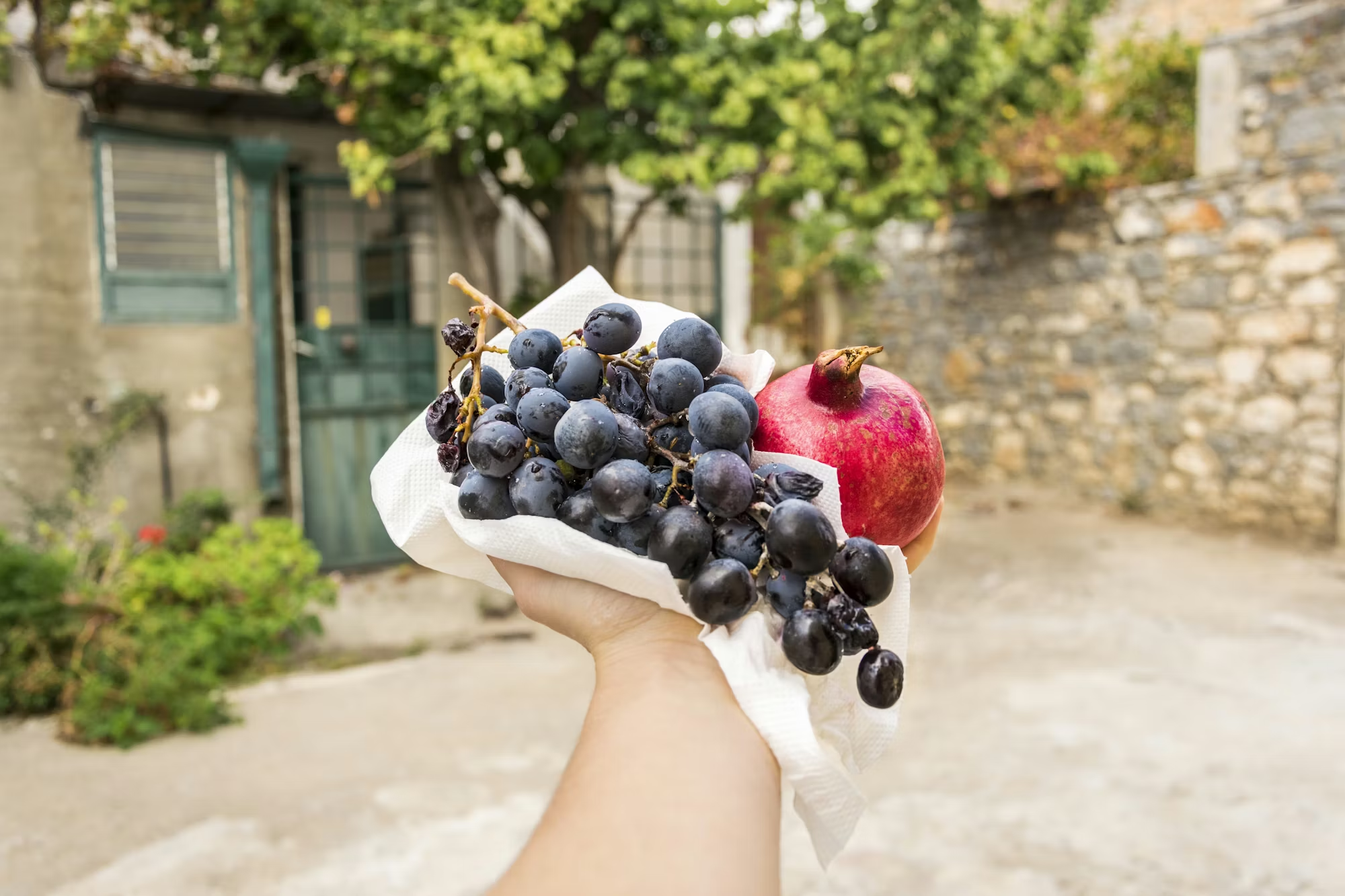
Antioxidants are compounds that help protect the body from free radicals, which can cause cellular damage. Many fruits, particularly berries, pomegranates, and grapes, are rich in antioxidants such as flavonoids and polyphenols. These compounds have been linked to numerous health benefits, including reduced inflammation and lower risk of chronic conditions like heart disease and diabetes.

Culinary Versatility

Fruits are not only nutritious but also incredibly versatile in the kitchen. They can be enjoyed in various forms, from fresh snacks to flavorful additions in savory dishes. Understanding the culinary uses of fruits can inspire creativity in meal preparation and encourage a healthier lifestyle.

Fresh and Raw

One of the simplest ways to enjoy fruits is to eat them fresh. Apples and pears make convenient on-the-go snacks, while berries add a burst of flavor to yogurt, oatmeal, or salads. Citrus fruits can be segmented and tossed into salads or enjoyed as a refreshing snack. The natural sweetness and vibrant colors of fresh fruits can enhance any meal, making them appealing to both adults and children.

Cooking and Baking

Fruits can also shine when cooked or baked. Peaches and plums, for example, can be roasted or grilled to bring out their sweetness, making them a delightful addition to savory dishes like grilled chicken or pork. In baking, fruits such as bananas, apples, and berries can be used in muffins, cakes, and pies, offering both flavor and moisture. The addition of fruits in baked goods not only enhances taste but also boosts the nutritional content, making treats a little healthier.

Smoothies and Juices

Smoothies are an excellent way to incorporate multiple fruits into your diet while enjoying a delicious beverage. Blending bananas, spinach, and berries creates a nutrient-packed drink that’s perfect for breakfast or a post-workout snack. Similarly, fruit juices, especially those made from fresh fruits like oranges and pineapples, can be a refreshing way to hydrate and nourish your body. However, it’s essential to consume juices in moderation, as they can be high in natural sugars.

Preserves and Sauces

Fruits can be transformed into delicious preserves, jams, or sauces that add a burst of flavor to meals. Making homemade fruit preserves allows you to control the sugar content and avoid additives found in store-bought versions. Strawberry jam or apple sauce can be spread on toast, dolloped onto pancakes, or used as a topping for desserts. These fruit-based condiments can elevate simple dishes, making them more flavorful and enjoyable.

Tips for Incorporating Fruits into Your Diet

Incorporating a variety of fruits into your diet can be both enjoyable and beneficial for your health. Here are some practical tips to help you increase your fruit intake:

1. Keep Fruits Visible: Store fruits in a bowl on your kitchen counter or in a visible place in your fridge. When they’re easy to see, you’re more likely to grab them as a snack.
2. Mix and Match: Experiment with different fruit combinations in salads, smoothies, or desserts. Mixing flavors and textures can make your meals more interesting and satisfying.
3. Plan Ahead: Prepare fruits in advance for busy days. Wash and cut fruits like melons, pineapple, and apples to have ready-to-eat snacks on hand.
4. Include Fruits in Every Meal: Aim to add fruits to breakfast, lunch, and dinner. Top your oatmeal with berries, add sliced bananas to your cereal, or include fruits in your salads.
5. Try New Fruits: Don’t be afraid to explore exotic or seasonal fruits. Trying new varieties can keep your diet exciting and introduce you to new flavors and textures.

Conclusion

Fruits are an essential part of a healthy diet, offering a multitude of nutritional benefits and culinary possibilities. By understanding their diverse properties and incorporating a variety of fruits into your meals, you can enjoy delicious flavors while promoting overall health. Whether you prefer them fresh, baked, or blended, fruits provide a delightful and nutritious addition to your daily routine. Embrace the vibrant world of fruits, and let them enhance your meals and well-being!

Posted on

A World of Flavors: Exploring the Diversity of Cakes

Cakes have long been a symbol of celebration, bringing joy and sweetness to occasions ranging from birthdays to weddings. With their rich history and diverse varieties, cakes have evolved into an art form, showcasing the creativity of bakers and the cultural significance they hold around the world. This article will explore the fascinating journey of cakes, delving into their history, various types, and the techniques that make them special, while celebrating their role in life’s sweetest moments. The origins of cake can be traced back to ancient civilizations, where honey and bread were combined to create simple sweet treats. The word ‘cake’ itself is derived from the Old Norse word ‘kaka,’ meaning a baked flour confection. Over the centuries, cakes have undergone a transformation, becoming more elaborate and diverse. By the 17th century, cakes began to take on a more refined form, with the introduction of sugar and the development of baking techniques. This era saw the rise of layered cakes, which would later become a staple in celebrations. Today, cakes come in countless varieties, each with its own unique flavor profile and texture. Among the most popular types are sponge cakes, known for their light and airy texture. Sponge cakes are made by incorporating air into the batter, typically using beaten eggs and sugar. This method creates a cake that is perfect for layering with fillings and frostings. The classic Victoria sponge, for instance, is a delightful combination of two layers of sponge cake filled with jam and cream, embodying the essence of British baking. Another beloved variety is the rich and decadent chocolate cake, which has captured the hearts of dessert lovers worldwide. Made with cocoa powder or melted chocolate, this cake offers a luxurious flavor that pairs beautifully with various frostings and fillings. Whether it’s a simple chocolate ganache or a luscious cream cheese frosting, the options for chocolate cake are endless. For those who prefer fruity flavors, fruit cakes provide a delightful alternative. These cakes are often made with fresh or dried fruits, such as bananas, apples, or berries, which add natural sweetness and moisture. A classic example is the carrot cake, which combines grated carrots with spices and nuts, creating a moist and flavorful dessert. Cream cheese frosting is a popular accompaniment, enhancing the cake’s rich taste. As we explore the world of cakes, we must also mention the role of layered cakes in celebrations. Layered cakes are often the centerpiece of special occasions, symbolizing joy and togetherness. They can be intricately decorated with fondant, buttercream, or fresh flowers, showcasing the baker’s artistry. Wedding cakes, in particular, are a significant tradition in many cultures, often elaborately designed to reflect the couple’s personality and style. The process of baking a cake can be both a science and an art, requiring precision and creativity. Measuring ingredients accurately and following techniques such as creaming, folding, and baking at the right temperature are essential for achieving the desired result. Additionally, the decoration of cakes offers a chance for self-expression, with techniques ranging from simple icing to intricate piping and sugar work. Beyond traditional cakes, the modern baking world has seen the rise of innovative flavors and designs. From matcha and lavender-infused cakes to unique layering techniques, bakers are continually pushing the boundaries of creativity. The trend of naked cakes, where the layers are left exposed and adorned with fresh fruits and flowers, has gained popularity for its rustic charm and simplicity. Furthermore, the growing interest in dietary preferences has led to the development of gluten-free, vegan, and low-sugar cakes, ensuring that everyone can indulge in the sweetness. Cakes also play a crucial role in cultural celebrations around the world. In many countries, traditional cakes are an integral part of festivals and ceremonies. For instance, the Italian panettone, a sweet bread loaf filled with dried fruits, is a staple during Christmas, while the Mexican tres leches cake is a popular choice for birthdays and special occasions. These cakes reflect the rich culinary heritage of their respective cultures, serving as a bridge between generations. The act of baking a cake can also be a meaningful way to create memories and share love. Families often come together in the kitchen, passing down recipes and techniques from one generation to the next. Whether it’s a mother teaching her child how to bake a family recipe or friends gathering for a cake decorating party, the experience fosters connections and strengthens relationships. In conclusion, cakes are more than just desserts; they are a celebration of life’s sweetest moments. With a rich history, diverse varieties, and endless possibilities for creativity, cakes continue to bring joy to people of all ages. Whether you’re savoring a slice of chocolate cake or creating a beautiful layered masterpiece for a special occasion, the world of cakes invites everyone to indulge in sweetness and celebrate togetherness. So, gather your ingredients, preheat your oven, and embark on your own baking adventure, discovering the magic that lies within every cake.

Posted on

Culinary Adventures: Exploring the World of Street Food

Street food is a culinary phenomenon that captures the essence of a culture in every bite. From bustling markets to vibrant food stalls, street vendors around the globe serve dishes that reflect local traditions, flavors, and stories. This article explores the rich diversity of street food, showcasing iconic dishes and their cultural significance across various countries.

In many cultures, street food is not just a quick meal; it is an experience. The sounds of sizzling pans, the aroma of spices wafting through the air, and the sight of colorful dishes being prepared create an atmosphere that invites exploration. Whether it’s the night markets of Taiwan or the taco trucks of Mexico, street food provides a glimpse into the daily life of locals, offering a taste of authentic culinary traditions.

Let’s begin our journey in Mexico, where street food is an integral part of the culinary landscape. Tacos, one of the country’s most beloved dishes, can be found at nearly every street corner. Vendors prepare soft corn tortillas filled with various ingredients such as marinated meats, grilled vegetables, and fresh salsas. The variety is endless: from al pastor, with its spiced pork and pineapple, to the classic carne asada, each taco tells a story of flavor and tradition. Street food in Mexico embodies the spirit of community, with people gathering to share a meal and enjoy lively conversations.

Moving to Thailand, we encounter the bustling streets filled with vendors offering an array of delicious dishes. Pad Thai, a stir-fried noodle dish, is a staple found at many street food stalls. The combination of rice noodles, shrimp or chicken, eggs, bean sprouts, and crushed peanuts creates a symphony of flavors that captivates the palate. Street food in Thailand is not only about taste; it is also about presentation. Vendors often showcase their dishes with vibrant colors, making each meal a feast for the eyes as well. The lively atmosphere of the night markets further enhances the experience, as people savor their meals while mingling with friends and family.

In India, street food is a celebration of spices and flavors that reflect the country’s diverse regions. Pani Puri, a popular street snack, consists of hollow puris filled with spiced water, tamarind chutney, and potatoes or chickpeas. The explosion of flavors with every bite is a testament to the culinary creativity found in Indian street food. From the chaat stalls of Delhi to the vada pav vendors in Mumbai, each dish tells a story of regional ingredients and cultural influences, making street food an integral part of India’s food culture.

Next, we travel to Japan, where street food embodies a unique blend of tradition and modernity. At festivals, you can find stalls offering takoyaki, round balls of batter filled with diced octopus, tempura, and green onions. These savory treats are cooked to perfection and often topped with a tangy sauce and bonito flakes. Japanese street food is characterized by its attention to detail and presentation, reflecting the country’s culinary philosophy of beauty and simplicity. Street vendors also serve yakitori, skewered and grilled chicken, which is enjoyed with friends over drinks, creating a social dining experience that is cherished by many.

In Italy, street food offers a taste of the country’s rich culinary heritage. Arancini, deep-fried rice balls filled with ragù, mozzarella, and peas, are a popular street snack, especially in Sicily. These golden delights are often enjoyed on-the-go, making them a perfect example of Italian street food culture. The emphasis on fresh, quality ingredients shines through in every bite, as vendors often source their produce from local markets, celebrating the flavors of the region.

As we explore street food, it’s essential to recognize the impact of globalization. Dishes like the kebab, which originated in the Middle East, have found their way into street food scenes around the world. Vendors in places like Berlin serve doner kebabs, showcasing the fusion of flavors that come from different culinary traditions. This cross-pollination of cuisines enriches the street food landscape, allowing for creative adaptations and new flavor combinations that cater to diverse palates.

Street food is also an important aspect of local economies. Many vendors are small business owners who rely on their culinary skills and community support to thrive. The sense of entrepreneurship and resilience displayed by street vendors is admirable, as they navigate the challenges of running a business while providing affordable and delicious food to their communities. Additionally, street food festivals and markets promote local vendors, creating opportunities for exposure and growth.

Despite the challenges posed by regulations and health standards, the love for street food continues to flourish. Social media has played a significant role in bringing attention to street vendors, with food enthusiasts sharing their experiences and recommendations. This visibility has encouraged a new generation to explore street food and appreciate its cultural significance. Food bloggers and influencers often highlight their favorite street food spots, showcasing the creativity and passion of the vendors behind these culinary delights.

In conclusion, street food is a vibrant and essential part of global culinary culture. It serves as a bridge between tradition and innovation, bringing people together over shared meals and experiences. From the sizzling tacos of Mexico to the aromatic curries of India, street food reflects the unique flavors and stories of each culture. As we continue to explore and celebrate street food, we embrace the diversity and richness of global cuisine, reminding us that food has the power to unite us all.

Posted on

Savoring Variety: A Journey Through Restaurant Types

Dining out is more than just satisfying hunger; it’s an experience that connects people through food. The restaurant industry is a vibrant ecosystem, filled with a myriad of establishments that cater to different tastes, occasions, and preferences. From upscale fine dining to cozy neighborhood cafés, each type of restaurant contributes to the culinary landscape, creating memorable experiences for guests. In this article, we will delve into the various types of restaurants, showcasing what makes each one special. Fine dining restaurants represent the pinnacle of gastronomic artistry. These establishments are known for their sophisticated ambiance, impeccable service, and exquisite cuisine. Patrons can expect to find menus that feature gourmet dishes crafted with the finest ingredients, often presented in a visually stunning manner. The atmosphere in fine dining venues is typically elegant, with soft lighting, refined decor, and sometimes a formal dress code that enhances the sense of occasion. Dining in a fine restaurant is an experience that engages all the senses, making it a perfect choice for special celebrations, romantic dinners, or important business meetings. In contrast, casual dining restaurants offer a more relaxed environment, appealing to families and friends looking for a comfortable meal without the formalities associated with fine dining. These mid-range establishments boast diverse menus that cater to a variety of tastes, from classic American fare to international cuisines. The atmosphere is usually warm and inviting, encouraging guests to unwind and enjoy their meals at a leisurely pace. Many casual dining spots also provide outdoor seating, allowing patrons to savor their food in the fresh air. This combination of good food and good company makes casual dining a popular choice for everyday meals. Fast food restaurants have transformed the dining landscape by prioritizing speed, convenience, and affordability. Chains like McDonald’s, Burger King, and Wendy’s are synonymous with quick meals that cater to on-the-go lifestyles. These establishments focus on efficiency, ensuring that customers receive their orders swiftly without compromising flavor. While fast food has often been criticized for its healthiness, many brands have adapted to changing consumer preferences by offering healthier options and incorporating more diverse menu items. This evolution highlights the industry’s responsiveness to trends while maintaining its core mission of providing quick and satisfying meals. Ethnic and specialty restaurants invite diners to embark on culinary journeys, exploring authentic dishes from various cultures. These eateries specialize in specific regional cuisines, allowing patrons to experience global flavors without leaving their city. Whether it’s savoring spicy Thai curries, fresh sushi, or hearty Italian pasta, ethnic restaurants celebrate the rich diversity of culinary traditions. The authenticity of these establishments often stems from traditional recipes and high-quality ingredients, allowing diners to appreciate the culture behind the cuisine. Buffet restaurants create a unique dining experience where guests can serve themselves from an extensive selection of dishes. This format is particularly appealing for families and large groups, accommodating diverse tastes and dietary preferences. Buffets typically operate on a fixed-price basis, encouraging diners to sample multiple offerings and share their culinary adventures. The communal aspect of buffets fosters a sense of togetherness, where friends and families can gather and enjoy food in a relaxed setting. From breakfast spreads featuring pancakes and eggs to elaborate dinner selections showcasing global cuisine, buffet restaurants create an environment of culinary delight and exploration. Family-style restaurants focus on the joy of sharing meals, serving large portions meant for communal dining. This format is especially popular for gatherings, where the emphasis is on enjoying hearty food in a warm, inviting atmosphere. Menus often highlight comfort food and traditional favorites, appealing to a wide range of palates. The generous portions and welcoming ambiance ensure that every meal becomes a cherished experience, underscoring the importance of connection and togetherness. As health consciousness continues to rise, vegetarian and vegan restaurants have carved out a significant niche in the culinary world. These establishments celebrate the creativity and versatility of plant-based cuisine, demonstrating that delicious meals can be crafted without meat or dairy. From vibrant salads and hearty grain bowls to indulgent vegan desserts, these restaurants cater to various dietary preferences, appealing to both vegetarians and omnivores alike. Many vegetarian and vegan eateries emphasize sustainability by sourcing local and organic ingredients, aligning with the values of health-conscious diners. This commitment to quality not only enhances the flavors of their dishes but also supports local agriculture, creating a positive impact on the community. Pop-up restaurants have gained popularity as a trendy and exciting dining concept, offering unique and temporary culinary experiences. Often featuring collaborations with renowned chefs or themed menus, these establishments generate buzz and anticipation among food enthusiasts. Diners are drawn to the novelty of pop-ups, eager to explore innovative dishes and concepts that may not be available elsewhere. This dynamic nature fosters a sense of community among diners, who gather to experience the latest culinary trends in a vibrant, ever-changing landscape. Farm-to-table restaurants prioritize fresh, locally sourced ingredients, establishing a direct connection between diners and local producers. This approach supports local economies and promotes sustainability by reducing the carbon footprint associated with transporting food. Menus at farm-to-table establishments change regularly, reflecting the seasonal availability of ingredients and celebrating the flavors of the region. This commitment to quality and transparency resonates with diners who appreciate knowing where their food comes from, adding an extra layer of enjoyment to their meals. Gastropubs combine the casual atmosphere of a pub with elevated cuisine, appealing to a broad audience seeking quality food in a relaxed setting. These establishments often feature menus that highlight high-quality comfort food, paired with an extensive selection of craft beers and artisanal cocktails. The focus on innovative dishes and locally sourced ingredients has transformed traditional pub dining into a delightful culinary experience. Diners can enjoy a casual drink with friends while savoring thoughtfully prepared meals, making gastropubs a popular choice for social outings. In conclusion, the restaurant industry presents a rich array of dining experiences that cater to diverse preferences and occasions. From the elegance of fine dining to the warmth of family-style meals, each type of restaurant contributes uniquely to the culinary landscape. Ultimately, dining out is about more than just the food; it’s about creating connections and memories over shared meals. Whether you seek a quick bite or an extravagant feast, the vast selection of dining options ensures that there’s something to satisfy every craving and celebrate every moment.

Posted on

A Taste of Tradition: Celebrating Regional Cuisines Around the World

Food is a universal language, transcending borders and connecting people through shared flavors and culinary traditions. Each region of the world boasts its unique cuisine, shaped by its geography, history, and cultural influences. In this article, we will embark on a culinary journey, exploring various regional cuisines that not only satisfy our taste buds but also tell stories of heritage and community.

The Importance of Regional Cuisine
Regional cuisine is more than just food; it reflects the identity and culture of a place. The ingredients, preparation methods, and flavors of a dish often stem from the local environment and the traditions of its people. As we explore different cuisines, we gain insight into the customs, rituals, and histories that shape them.

Food brings people together, fostering a sense of community and belonging. Whether it’s a family gathering around a dinner table or a local festival celebrating traditional dishes, food plays a pivotal role in bringing individuals closer and preserving cultural heritage.

Italian Cuisine: A Culinary Masterpiece
Italian cuisine is renowned for its emphasis on fresh ingredients and simple preparation methods. Each region in Italy offers distinct flavors, from the hearty dishes of the north to the lighter fare of the south. For example, risotto, a creamy rice dish, is a hallmark of northern Italy, while southern regions are known for their vibrant tomato sauces and seafood.

Pasta is a staple of Italian cuisine, with numerous shapes and varieties, each paired with specific sauces. The celebration of food is central to Italian culture, with family meals often stretching into long, leisurely affairs filled with laughter and conversation. Traditional dishes like lasagna, osso buco, and tiramisu reflect the depth and richness of Italy’s culinary heritage.

Mexican Cuisine: A Flavorful Fiesta
Mexican cuisine is a vibrant tapestry of flavors, colors, and textures. It combines indigenous ingredients with influences from Spanish colonization, creating a unique and diverse culinary landscape. Staples like corn, beans, and chili peppers are the foundation of many traditional dishes.

Tacos, enchiladas, and mole are just a few examples of the delicious offerings from Mexico. Each region has its specialties, with variations in ingredients and preparation methods. Street food plays a significant role in Mexican culture, with vendors offering delicious bites like elote (grilled corn) and tamales. Celebrations often center around food, showcasing the importance of sharing meals with family and friends.

Indian Cuisine: A Spicy Adventure
Indian cuisine is known for its bold flavors and aromatic spices, reflecting the country’s diverse cultures and traditions. Each region boasts its own specialties, from the rich, creamy curries of the north to the spicy, tangy dishes of the south.

Popular dishes such as biryani, dosa, and butter chicken highlight the complexity of Indian cooking. The use of spices not only adds flavor but also brings health benefits, making Indian cuisine both delicious and nutritious. Festivals often feature elaborate meals that bring families together, emphasizing the communal aspect of food in Indian culture.

Chinese Cuisine: A Harmony of Flavors
Chinese cuisine is as vast and diverse as the country itself, with each region showcasing its culinary identity. From the bold, spicy flavors of Sichuan cuisine to the delicate, subtle tastes of Cantonese dishes, Chinese food offers a wide range of flavors and textures.

Staples like rice and noodles are accompanied by an array of vegetables and meats, often cooked using traditional techniques such as stir-frying and steaming. Dishes like Peking duck, dim sum, and hot pot are not only delicious but also serve as a way to bring families and friends together for shared meals. The importance of balance and harmony in flavors is a fundamental aspect of Chinese cooking.

Japanese Cuisine: A Culinary Art
Japanese cuisine is celebrated for its precision and artistry, with an emphasis on seasonal ingredients and presentation. Dishes like sushi, sashimi, and ramen highlight the delicate flavors and textures that characterize Japanese food.

The philosophy of “umami,” often referred to as the fifth taste, plays a crucial role in Japanese cooking, elevating dishes through the use of ingredients like miso, soy sauce, and dashi. Meals are often served in multiple courses, with an emphasis on aesthetics and harmony. Japanese culture places great importance on food presentation, making it an art form in its own right.

Mediterranean Cuisine: A Healthy Lifestyle
Mediterranean cuisine is celebrated for its emphasis on fresh vegetables, whole grains, legumes, and healthy fats, particularly olive oil. Countries like Greece, Italy, and Spain each contribute their unique flavors and dishes to the Mediterranean diet.

Popular dishes include Greek salad, paella, and hummus, which showcase the region’s abundant ingredients. The Mediterranean lifestyle emphasizes shared meals and social gatherings, promoting a sense of community and well-being. This cuisine is not only delicious but also recognized for its health benefits, contributing to longevity and a balanced lifestyle.

French Cuisine: Elegance and Sophistication
French cuisine is renowned for its sophistication and attention to detail. It has significantly influenced culinary arts worldwide, with techniques and dishes that are now staples in many kitchens. French cuisine ranges from the rustic, hearty meals of the countryside to the refined dishes served in Michelin-starred restaurants.

Classic dishes like coq au vin, ratatouille, and crème brûlée highlight the diversity and richness of French cooking. The French take great pride in their culinary heritage, with food often being an integral part of social gatherings and celebrations. The art of dining is elevated to a cultural experience, emphasizing enjoyment and appreciation of each dish.

Conclusion: The Global Culinary Tapestry
Regional cuisines are a testament to the diversity of human experience, reflecting the traditions, cultures, and histories that shape our world. Each dish tells a story, connecting us to the land and the people who create it. As we savor the flavors of different cuisines, we celebrate not only the food but also the connections it fosters between individuals and communities.

Exploring regional cuisines invites us to embrace the richness of global culinary traditions, reminding us of the importance of sharing meals and experiences with others. In a world that often feels fragmented, food remains a powerful force that brings us together, nourishing both our bodies and our souls.

Posted on

Exploring the World of Pasta: From Tradition to Innovation

Pasta is more than just a meal; it embodies a rich history, a variety of shapes and sizes, and a cultural significance that spans continents. From its humble origins in Italy to its presence in kitchens worldwide, pasta has become a beloved staple that can be prepared in countless ways. This article explores the fascinating world of pasta, delving into its history, types, and innovative culinary approaches that keep it at the forefront of dining experiences.

The roots of pasta can be traced back to ancient civilizations, with evidence suggesting that both the Chinese and the Italians developed noodle-like dishes independently. The earliest records of pasta in Italy date back to the 12th century, where it was referred to as “maccheroni.” As trade routes expanded, so did the popularity of pasta, eventually becoming a staple in Italian cuisine. Its ability to be dried and stored made it an ideal food for long journeys and a key ingredient for quick meals.

Pasta comes in an impressive array of shapes, each with its unique texture and suitability for various sauces. Common varieties include spaghetti, penne, fusilli, and farfalle, each playing a distinct role in the culinary world. Spaghetti, long and thin, is often paired with lighter sauces like marinara or olive oil, allowing the flavors to shine through. On the other hand, penne, with its tubular shape, is perfect for holding onto thicker sauces, making it an ideal choice for creamy Alfredo or hearty meat sauces.

Fusilli and farfalle, often referred to as corkscrew and bowtie pasta respectively, offer a playful presentation and are excellent for salads and baked dishes. These shapes capture bits of vegetables, cheese, and sauce, creating a delicious combination in every bite. The diversity of pasta shapes not only enhances the visual appeal of a dish but also plays a crucial role in how flavors are experienced.

One of the most exciting aspects of pasta is its adaptability. While traditional recipes often emphasize fresh, simple ingredients, modern chefs are continually pushing the boundaries of what pasta can be. Today, we see pasta being made from alternative ingredients such as whole grains, legumes, and even vegetables. These innovative options cater to various dietary preferences, offering gluten-free and plant-based choices without sacrificing flavor.

For example, lentil pasta is gaining popularity for its high protein content and earthy flavor. It can be used in place of traditional pasta in any recipe, providing a nutritious alternative. Zucchini noodles, or “zoodles,” have also taken the culinary world by storm, serving as a fresh and low-carb substitute for traditional pasta. These alternatives have opened up new avenues for creativity in the kitchen, allowing home cooks and chefs to experiment with flavors and textures.

The sauce is another essential component of any pasta dish. From rich and robust marinara to light and refreshing pesto, sauces can elevate a simple pasta dish into something extraordinary. Traditional Italian sauces often focus on high-quality ingredients, allowing the pasta to shine while complementing its flavors. A classic marinara, made with fresh tomatoes, garlic, and basil, embodies the essence of Italian cooking, highlighting the importance of seasonal produce.

On the other hand, pesto, originating from the Liguria region of Italy, offers a vibrant and aromatic alternative. Made with fresh basil, garlic, pine nuts, Parmesan cheese, and olive oil, pesto adds a burst of flavor that pairs beautifully with various pasta shapes. Its versatility allows it to be used not only as a pasta sauce but also as a spread or dip, showcasing its culinary potential.

As we explore the world of pasta, it’s essential to recognize the cultural significance it holds. In Italy, pasta is not just a meal; it’s a way of life. Family gatherings often revolve around shared plates of pasta, and traditional recipes are passed down through generations, preserving the culinary heritage. Each region in Italy boasts its unique pasta dishes, from the rich ragù of Bologna to the seafood-based pastas of the coastal regions, showcasing the diversity and regionality of Italian cuisine.

Beyond Italy, pasta has found a place in various cultures, adapting to local ingredients and flavors. In Japan, for example, pasta has inspired dishes such as “napolitan,” a stir-fried pasta dish with ketchup, sausages, and vegetables, showcasing a fusion of Western and Japanese flavors. Similarly, in the Philippines, “pancit” refers to a variety of noodle dishes, often served at celebrations, highlighting how pasta has integrated into different culinary traditions.

The rise of international pasta dishes reflects the growing trend of global cuisine. Chefs around the world are experimenting with pasta, incorporating spices, flavors, and ingredients unique to their cultures. For instance, spicy Asian-inspired pasta dishes often feature soy sauce, sesame oil, and fresh vegetables, creating a harmonious blend of flavors that pays homage to both Italian and Asian culinary traditions.

With the increasing popularity of pasta comes the rise of specialty pasta shops and restaurants dedicated to this beloved dish. These establishments focus on quality, using artisanal methods to craft fresh pasta from scratch. The process of making pasta can be a labor of love, requiring skill and patience, but the result is often a product that is far superior in taste and texture to store-bought varieties.

Dining experiences centered around pasta have also evolved, with many restaurants offering pasta-making classes and chef-led experiences that allow diners to engage with the culinary process. These interactive experiences provide a deeper appreciation for the art of pasta-making, highlighting the craftsmanship involved in creating the perfect dish.

In conclusion, pasta is a beloved culinary staple that offers endless possibilities for creativity and innovation. From its rich history to its diverse varieties and global adaptations, pasta continues to capture the hearts of food lovers worldwide. As culinary trends evolve, so too does the world of pasta, ensuring its place in kitchens and restaurants for generations to come. Whether enjoyed in a traditional Italian setting or as part of a modern fusion dish, pasta remains a testament to the art of cooking and the joy of sharing delicious meals with loved ones.