Posted on

Meat and Tradition: A Culinary Journey Through Global Cuisines

Food is more than just sustenance; it embodies culture, tradition, and identity. Among the diverse ingredients that contribute to the culinary arts, meat holds a special place, celebrated for its versatility and flavor. This article takes you on a journey through the world of meats, exploring their significance in various cuisines, their preparation methods, and the communal experiences they foster.

Beef: The Backbone of Many Cuisines
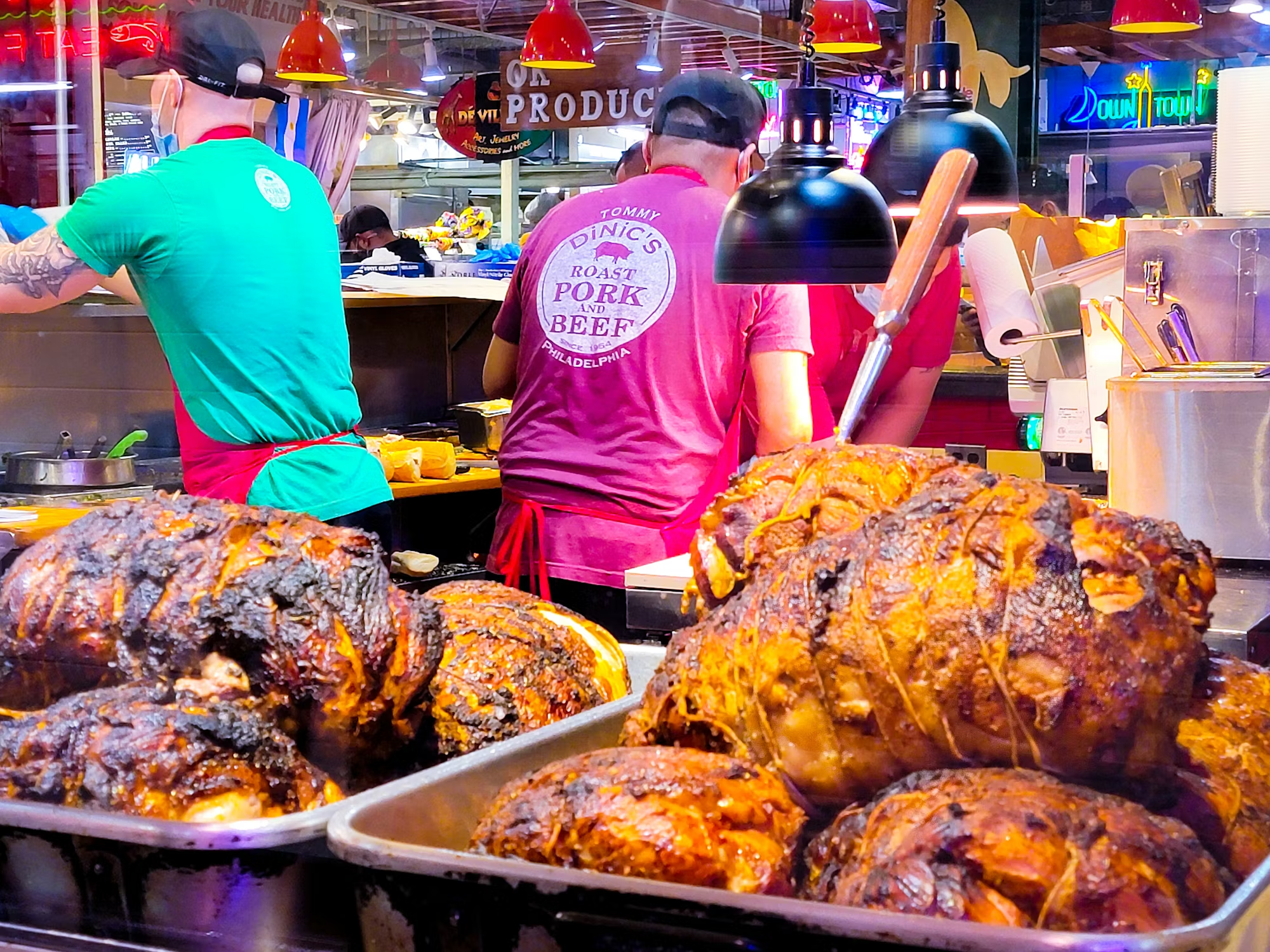
Beef is a staple in countless culinary traditions around the globe. From American barbecue to Italian osso buco, the range of flavors and preparations is astounding. In the United States, beef is often synonymous with outdoor grilling and barbecuing. Cuts such as brisket, ribs, and sirloin are commonly prepared in backyards across the country, especially during summer months. The slow smoking of brisket, for example, transforms it into a tender, flavorful centerpiece that draws family and friends together.

In Argentina, where beef is a point of national pride, the asado—a traditional barbecue—serves as both a meal and a social event. Here, various cuts of beef are grilled over an open flame, often accompanied by chimichurri, a vibrant sauce made of parsley, garlic, vinegar, and oil. The simplicity of preparation highlights the quality of the meat, making the asado a culinary celebration that showcases Argentina’s rich cattle ranching heritage.

Japan offers a different yet equally luxurious take on beef with wagyu, known for its intense marbling and tenderness. This high-quality meat is featured in dishes like sukiyaki and yakiniku, where it is cooked quickly to preserve its unique flavors. The careful raising of wagyu cattle reflects a deep-rooted tradition in Japanese culture, elevating the dining experience to an art form.

Pork: The Flavorful Contender
Pork is another versatile meat that plays a vital role in many culinary traditions. In Spain, jamón ibérico is a celebrated delicacy made from acorn-fed pigs. The slow curing process creates a rich, nutty flavor that pairs beautifully with a variety of dishes. Thinly sliced and served on its own or as part of a tapas spread, jamón ibérico showcases the artistry of Spanish charcuterie.

In Asia, pork is a beloved ingredient featured in numerous traditional dishes. For example, char siu—a Cantonese-style barbecue pork—exemplifies how marinating meat can infuse it with sweet and savory flavors. Roasted until caramelized, char siu is often served with rice or noodles, making it a comforting staple.

Mexico’s culinary scene boasts carnitas, a dish made from slow-cooked pork that is seasoned and then shredded. The tender meat is often used in tacos or burritos, demonstrating how pork can be both humble and luxurious, depending on its preparation and presentation. The communal nature of sharing a meal of carnitas emphasizes the role of food in fostering connections among people.

Chicken: The Global Staple
Chicken stands as one of the most universally consumed meats, cherished for its adaptability and mild flavor. In Indian cuisine, butter chicken has become an iconic dish, featuring marinated chicken cooked in a creamy tomato sauce. This rich dish is typically served with naan or rice, providing a satisfying balance of flavors that speaks to the complexity of Indian spices.

Southern United States cuisine elevates chicken to comfort food status with fried chicken. Crispy on the outside and juicy on the inside, this dish is often seasoned with a blend of spices and served with sides like coleslaw and biscuits. The shared experience of enjoying fried chicken at family gatherings highlights its significance in American culture.

Mediterranean cuisine features grilled chicken souvlaki, where marinated chicken is skewered and grilled to perfection. Often served with pita bread and tzatziki sauce, this dish reflects the fresh and vibrant flavors of the region. The emphasis on fresh herbs and quality ingredients demonstrates the Mediterranean approach to cooking, where simplicity meets flavor.

Lamb: A Unique Flavor Profile
Lamb offers a distinctive taste that is celebrated in various culinary traditions. In Middle Eastern cuisine, lamb kebabs are a popular choice, marinated with spices such as cumin and coriander before being grilled. This method of preparation allows the meat’s flavor to shine, making it a favorite at gatherings and celebrations.

In Greece, moussaka—a layered dish of eggplant, potatoes, and spiced ground lamb—showcases the culinary creativity of the region. The combination of flavors and textures makes moussaka a beloved comfort food that is often prepared for family gatherings and festive occasions.

In the United Kingdom, roast lamb is a traditional dish often enjoyed during holidays. Seasoned with herbs like rosemary and garlic, the tender meat is usually served with seasonal vegetables and gravy, symbolizing the importance of tradition in British culinary culture.

Turkey: A Symbol of Celebration
Turkey is often associated with festive occasions, especially in North America during Thanksgiving. The centerpiece of the meal, a beautifully roasted turkey, is typically seasoned and often brined to ensure moisture and flavor. This ritual of sharing a turkey feast brings families together, highlighting the significance of food in creating lasting memories.

In other cultures, turkey is enjoyed throughout the year. For instance, in Mediterranean regions, grilled turkey kebabs are a popular dish that showcases the meat’s versatility. Marinated and grilled, these kebabs can be served with various sauces and sides, allowing for a delightful culinary experience.

Duck: A Luxurious Choice
Duck is celebrated for its rich flavor and unique texture, making it a luxurious choice in many cuisines. In French cuisine, duck confit is a classic dish where duck legs are slowly cooked in their own fat until tender. This method enhances the meat’s flavor while creating a beautifully crispy skin, showcasing the skill involved in French culinary techniques.

Another iconic duck dish, Peking duck, is known for its crispy skin and succulent meat. Served with thin pancakes and hoisin sauce, this dish exemplifies the culinary elegance and traditions of Chinese cuisine, where the preparation process is as important as the final presentation.

Game Meats: Exploring New Flavors
Game meats like venison, bison, and rabbit provide distinct flavors that can diversify any menu. In many cultures, these meats are celebrated for their lean qualities and unique tastes. Venison, for instance, is often featured in hearty stews or grilled dishes that emphasize its rich flavor, making it a favorite in rustic European cuisines.

In North America, bison has become a popular alternative to beef, appreciated for its slightly sweeter taste and leaner profile. Bison burgers and steaks are increasingly found on restaurant menus, reflecting a growing interest in sustainable and local food sources.

Rabbit is another game meat that has gained popularity in gourmet cooking, often prepared in flavorful stews or as a roasted dish. Chefs are embracing the unique flavors of game meats, encouraging diners to explore beyond traditional protein sources.

Seafood: A Culinary Treasure
While not classified as meat in the traditional sense, seafood is an essential protein source around the world. Fish like salmon, tuna, and cod are staples in various cuisines, appreciated for their health benefits and culinary versatility. In Mediterranean cuisine, grilled fish is often prepared simply with olive oil, lemon, and herbs, allowing the natural flavors to take center stage.

In Asian cultures, seafood plays a vital role, particularly in dishes like sushi and sashimi, where the quality and freshness of the fish are paramount. The meticulous preparation involved in these dishes reflects a cultural emphasis on honoring the ingredients and showcasing their natural beauty.

Conclusion
The exploration of different types of meat reveals the rich tapestry of flavors and culinary traditions that shape our global dining experiences. Each type of meat carries its own history and significance, from the communal aspects of barbecues to the elegant presentations of gourmet dishes. As we appreciate the variety of meats available, we also celebrate the creativity and passion that chefs and home cooks bring to their kitchens.

Understanding the unique qualities of each type of meat encourages culinary exploration and fosters a deeper connection to the food we enjoy. With every meal, we not only taste the flavors of different regions but also participate in a global narrative of culinary experiences that connect us all.

Posted on

Exploring the Vibrant World of Mexican Street Food

Mexican street food is a vibrant and integral part of the country’s culinary landscape, showcasing a rich tapestry of flavors, ingredients, and cultural influences. With its roots deeply embedded in tradition, street food reflects the heart and soul of Mexican cuisine, offering an array of delicious and affordable options that are enjoyed by locals and visitors alike. From bustling markets to colorful street vendors, the experience of savoring Mexican street food is as much about the food itself as it is about the atmosphere, the people, and the stories behind each dish. In this article, we will explore the diverse offerings of Mexican street food, its cultural significance, and some of the most beloved dishes that continue to captivate food enthusiasts around the world.

At the core of Mexican street food is the philosophy of using fresh, locally sourced ingredients that celebrate the region’s agricultural bounty. Markets brimming with vibrant fruits, vegetables, and herbs serve as the foundation for many street food dishes. The emphasis on seasonal and regional produce not only enhances the flavor but also connects consumers to the land and its rich traditions. Street vendors often take pride in their recipes, passed down through generations, ensuring that each dish is a reflection of their heritage and culinary expertise.

One of the most iconic street food items is the taco. Simple yet versatile, tacos come in countless variations, each offering a unique taste experience. Traditionally made with soft corn tortillas, tacos can be filled with a variety of ingredients, from marinated meats to fresh vegetables and flavorful salsas. Popular fillings include carnitas (slow-cooked pork), asada (grilled beef), and pollo (chicken), often topped with onions, cilantro, and a squeeze of lime. Tacos are not only a delicious meal but also a symbol of Mexican culture, representing the joy of sharing food with family and friends.

Another beloved street food staple is elote, or Mexican street corn. Grilled on a stick, elote is slathered with mayonnaise, lime juice, cheese, and chili powder, creating a delightful combination of flavors and textures. The smoky sweetness of the corn pairs perfectly with the creamy topping and spicy kick, making it a popular snack enjoyed by people of all ages. Elote embodies the creativity of Mexican street food, transforming a simple ingredient into a festive treat that celebrates communal gatherings.

In addition to tacos and elote, quesadillas hold a special place in the hearts of street food lovers. Made by folding a tortilla filled with cheese and other ingredients such as mushrooms, zucchini, or meats, quesadillas are cooked until the cheese is melted and the tortilla is crispy. Often served with salsa or guacamole, these cheesy delights offer comfort and flavor, making them a favorite for quick bites on the go. Vendors often customize quesadillas based on regional preferences, showcasing the diversity of Mexican cuisine.

Tamales are another traditional street food that reflects the rich culinary history of Mexico. Made from masa (corn dough) and filled with a variety of ingredients, tamales are wrapped in corn husks and steamed to perfection. The fillings can range from savory options like pork or chicken to sweet variations filled with fruits or chocolate. Tamales are often enjoyed during celebrations and holidays, symbolizing togetherness and the joy of shared meals. Street vendors frequently sell tamales in colorful stacks, enticing passersby with their warm aroma and vibrant packaging.

A unique aspect of Mexican street food is the variety of salsas that accompany many dishes. These condiments add depth and brightness, enhancing the overall flavor experience. From smoky chipotle to tangy tomatillo salsa, the range of options caters to diverse palates. Vendors often offer a selection of salsas, allowing customers to customize their meals according to their preferred level of spice and flavor. This interactive element adds to the enjoyment of street food, inviting diners to engage with their food in a personal way.

Beyond savory options, Mexican street food also includes an array of delightful snacks and desserts. Churros, for instance, are a popular sweet treat made from fried dough, often dusted with sugar and served with a side of chocolate sauce for dipping. The crispy exterior and soft, fluffy interior make churros an irresistible indulgence, perfect for satisfying a sweet tooth while on the go. Other sweet offerings include frutas con chile (fruit with chili powder and lime), which combines fresh fruit with a spicy kick, showcasing the Mexican flair for balancing flavors.

The cultural significance of street food in Mexico extends beyond mere consumption; it plays a vital role in community life. Street food vendors often serve as social hubs, bringing people together to share stories, laughter, and meals. Markets and street corners become lively gathering spots where friends and families come to enjoy food and connect with one another. The atmosphere is vibrant, filled with the sounds of sizzling grills, laughter, and the lively chatter of vendors and customers. This communal experience reinforces the idea that food is meant to be shared, enjoyed, and celebrated.

Moreover, the art of street food has evolved into a vibrant culinary movement that showcases the creativity of chefs and food enthusiasts. In recent years, gourmet street food has gained popularity, with food trucks and pop-up stalls offering elevated takes on traditional dishes. Chefs experiment with flavors and techniques, presenting innovative dishes that honor the roots of Mexican cuisine while pushing culinary boundaries. This fusion of tradition and innovation highlights the adaptability of Mexican street food, ensuring its relevance in a globalized food scene.

As travelers seek authentic culinary experiences, Mexican street food has emerged as a must-try highlight. Street food tours have gained popularity, allowing visitors to explore bustling markets and sample a variety of dishes from local vendors. These tours provide an immersive experience, offering insights into the history and culture of Mexican cuisine while indulging in delectable bites. The opportunity to interact with vendors and learn about their stories adds depth to the experience, creating lasting memories for food lovers.

In conclusion, Mexican street food is a celebration of culture, community, and creativity. Its diverse offerings reflect the rich culinary heritage of Mexico, showcasing the importance of fresh ingredients, traditional techniques, and regional variations. From tacos and elote to tamales and churros, each dish tells a story, inviting diners to partake in a vibrant tapestry of flavors and experiences. The communal nature of street food fosters connections among people, reminding us that food has the power to bring us together, transcending boundaries and creating shared moments of joy. Whether enjoyed on the streets of Mexico or at a local food festival, the experience of savoring Mexican street food is an unforgettable journey that delights the senses and nourishes the soul.

Posted on

Juicing for Joy: Discovering the Benefits and Bliss of Fresh Juices

Juicing has become a vibrant trend that captivates both health enthusiasts and culinary adventurers alike. The practice of extracting fresh juices from fruits and vegetables not only enhances our diets but also provides a delicious way to enjoy the natural flavors of whole foods. This article explores the many benefits of fresh juices, offers delightful recipes, and highlights the joy of creating unique blends at home. One of the most significant advantages of juicing is the ability to consume a wide array of nutrients in a single glass. Fresh juices are a concentrated source of vitamins, minerals, and antioxidants that are essential for maintaining overall health. For instance, a glass of fresh orange juice is renowned for its vitamin C content, which supports the immune system and promotes healthy skin. Similarly, green juices made from leafy vegetables like spinach and kale are packed with nutrients that contribute to vitality and wellness. The process of juicing allows for creative combinations that cater to various tastes and preferences. For those with a sweet tooth, fruit-based juices are a fantastic choice. A classic blend of apples, oranges, and carrots creates a naturally sweet and refreshing drink that is perfect for breakfast or as a midday pick-me-up. The sweetness of the apples pairs harmoniously with the citrus notes of the oranges, while carrots add a delightful earthy undertone. This trio not only tastes great but also provides a boost of energy to start the day. On the other hand, those seeking a more savory experience can enjoy vegetable juices that offer a unique flavor profile. A combination of tomatoes, cucumbers, and bell peppers creates a refreshing gazpacho-inspired juice that is perfect for warm weather. This blend is hydrating and packed with vitamins, making it an ideal choice for hydration during hot summer days. Adding a splash of lemon juice or a hint of fresh herbs like basil or parsley can elevate the flavor even further, creating a sophisticated drink that impresses guests at any gathering. Exploring seasonal ingredients is another way to enhance your juicing experience. Using fruits and vegetables that are in season ensures maximum freshness and flavor. In spring, for instance, vibrant strawberries, rhubarb, and asparagus can be used to craft delightful juices. A strawberry-rhubarb juice, combined with a hint of mint, captures the essence of the season while offering a tart and sweet flavor that is simply irresistible. In contrast, fall brings an abundance of apples, pears, and pumpkins, providing endless opportunities for warming juice blends. A spiced apple-pear juice, infused with cinnamon and nutmeg, creates a cozy beverage that warms the soul as the days grow shorter. The joy of juicing extends beyond flavor; it also allows for experimentation and creativity. Home juicers can explore various flavor combinations, adjusting sweetness and acidity to suit personal preferences. For example, adding a slice of ginger or a squeeze of lime can introduce an exciting zing to any juice, transforming a simple recipe into something extraordinary. Don’t shy away from experimenting with unexpected ingredients, such as beets or turmeric, which can enhance the nutritional content and provide a beautiful color to your blends. Another exciting aspect of juicing is the opportunity to incorporate superfoods into your recipes. Ingredients like chia seeds, spirulina, or acai berries can be easily added to your juices to amplify their nutritional value. Chia seeds, for example, not only provide a dose of omega-3 fatty acids but also add a fun texture to your drink. A green smoothie made with spinach, banana, and a tablespoon of chia seeds offers a deliciously creamy consistency while packing a powerful nutritional punch. Juicing also serves as a wonderful way to introduce more fruits and vegetables into your diet, particularly for those who may struggle to meet their daily intake. For parents, making colorful juices can be a fun and engaging way to encourage children to consume more produce. Brightly colored juices can captivate young ones, and mixing in a variety of flavors makes it easier to mask any ingredients they might typically avoid. A vibrant berry juice, for example, can be made with a blend of strawberries, blueberries, and a splash of orange juice, creating a tasty treat that is both enjoyable and nutritious. Beyond the health benefits and delightful flavors, juicing can be a therapeutic and calming activity. The act of preparing fresh juices, selecting colorful ingredients, and watching them transform into a beautiful drink can be incredibly satisfying. Many people find that taking the time to juice allows them to reconnect with their food and embrace the simplicity of nourishing their bodies with fresh ingredients. Setting aside a few moments each day to enjoy the juicing process can cultivate mindfulness and joy, contributing to overall well-being. As you embark on your juicing journey, it’s important to consider the best equipment for your needs. There are various types of juicers available, from centrifugal to masticating models, each offering different benefits. Centrifugal juicers are typically faster and easier to clean, while masticating juicers tend to extract more juice and preserve nutrients better. Choosing the right juicer depends on personal preferences and how often you plan to juice. Investing in a quality juicer can greatly enhance your experience and the quality of your blends. Additionally, remember that while fresh juices are a wonderful addition to your diet, they should be consumed in moderation as part of a balanced meal plan. Juices are often high in natural sugars, so it’s beneficial to include a variety of whole fruits and vegetables in your diet as well. This balanced approach allows you to enjoy the benefits of juicing while ensuring that you are also getting essential fiber and nutrients from whole foods. In conclusion, the world of fresh juices is a delightful and rewarding experience that offers countless benefits. From nourishing your body with essential vitamins to enjoying creative flavor combinations, juicing brings joy and satisfaction to our lives. Whether you’re sipping on a refreshing berry blend or savoring a savory vegetable concoction, fresh juices allow you to celebrate the natural flavors of fruits and vegetables while enhancing your overall well-being. So, gather your favorite ingredients, unleash your creativity, and embark on your own juicing adventure today!

Posted on

Exploring Global Cuisines: A Journey Through Flavor and Tradition

Food is more than sustenance; it is a reflection of culture, history, and tradition. Each cuisine tells a story of the land it comes from, shaped by geography, climate, and the people who inhabit it. In this article, we will explore diverse global cuisines, delving into their unique flavors, key ingredients, and the cultural significance behind beloved dishes. Italian Cuisine: A Love Affair with Fresh Ingredients Italian cuisine is synonymous with fresh, high-quality ingredients and bold flavors. Renowned for its pasta, pizza, and regional specialties, Italian food celebrates simplicity and taste. Key ingredients include tomatoes, olive oil, garlic, and a variety of herbs such as basil and oregano. Traditional dishes like risotto from Northern Italy showcase the use of Arborio rice, cooked slowly in broth to achieve a creamy consistency. In contrast, Southern Italy is famous for its pizza, with Naples being the birthplace of this iconic dish. The combination of a thin, crispy crust topped with fresh tomatoes, mozzarella cheese, and basil creates a delightful balance of flavors. Japanese Cuisine: Precision and Aesthetics Japanese cuisine, or washoku, emphasizes seasonal ingredients and presentation. Known for its artistry, Japanese food often features intricate plating and a balance of colors and textures. Sushi, sashimi, and ramen are among the most celebrated dishes globally. Sushi, which consists of vinegared rice paired with fresh fish or vegetables, showcases the importance of quality ingredients. Traditional sushi chefs undergo years of training to master their craft, ensuring that each piece is not only delicious but visually stunning. Additionally, ramen, a noodle soup with regional variations, reflects Japan’s diverse culinary landscape, with each area boasting its own unique broth and toppings. Mexican Cuisine: A Vibrant Fiesta of Flavors Mexican cuisine is a vibrant tapestry of flavors, colors, and textures. Rooted in indigenous traditions and influenced by Spanish colonization, Mexican food celebrates diverse ingredients such as corn, beans, chili peppers, and avocados. Tacos, enchiladas, and mole are just a few examples of the country’s rich culinary heritage. Tacos, perhaps the most iconic Mexican dish, can be filled with a variety of ingredients, from grilled meats to sautéed vegetables. Each region of Mexico offers its own twist on tacos, reflecting local flavors and customs. Mole, a complex sauce made from a blend of ingredients including chocolate and spices, is often served with chicken or turkey, exemplifying the depth of flavor characteristic of Mexican cuisine. Indian Cuisine: A Symphony of Spices Indian cuisine is renowned for its bold use of spices and diverse regional flavors. Each dish tells a story, influenced by history, geography, and local traditions. Staple ingredients include rice, lentils, and a wide array of spices such as cumin, coriander, and turmeric. Dishes like biryani, a fragrant rice dish often layered with marinated meats, and curry, which varies greatly across regions, highlight the complexity of Indian cooking. The communal aspect of dining in India also reflects the culture, with meals often enjoyed together, fostering connection and sharing among family and friends. Middle Eastern Cuisine: A Fusion of Cultures Middle Eastern cuisine encompasses a wide range of flavors and ingredients from countries like Lebanon, Turkey, and Iran. Characterized by its use of spices, grains, and fresh produce, Middle Eastern dishes are often aromatic and flavorful. Hummus, falafel, and kebabs are popular examples. Hummus, a creamy dip made from chickpeas, tahini, and lemon, is enjoyed across the region, often served with pita bread. Falafel, deep-fried balls made from ground chickpeas or fava beans, is a beloved street food. Kebabs, skewered meats marinated in spices, showcase the grilling traditions prevalent in Middle Eastern cultures. Exploring Regional Variations Each cuisine also has its regional variations, reflecting local ingredients and customs. For example, in Italy, the cuisine of the north is distinct from that of the south, with northern regions favoring creamy risottos and polenta, while southern regions embrace tomato-based dishes and seafood. Similarly, India showcases a spectrum of flavors from the rich, creamy dishes of the north to the lighter, coconut-based curries of the south. Culinary Traditions and Cultural Significance Food plays a vital role in cultural identity and community bonding. Many cuisines celebrate specific festivals with traditional dishes that hold deep significance. For instance, in Japan, the New Year is celebrated with osechi, a special meal prepared in advance to ensure families can enjoy time together without cooking. In Mexico, Día de los Muertos is commemorated with altars adorned with favorite foods of the deceased, showcasing the belief that food connects the living and the dead. These traditions enrich the dining experience, transforming meals into meaningful rituals. Conclusion: A World of Flavor Awaits The exploration of global cuisines reveals the beauty and diversity of food cultures worldwide. Each dish represents a unique blend of history, geography, and tradition, inviting us to taste the stories behind them. By embracing diverse flavors and culinary practices, we not only satisfy our taste buds but also foster appreciation for the rich tapestry of human culture. Whether you’re cooking at home or dining out, there is always an opportunity to embark on a culinary journey that transcends borders and brings people together.

Posted on

Casual Dining: The Heartbeat of Everyday Dining Experiences

Casual dining has become a cornerstone of the culinary landscape, providing a comfortable and relaxed environment for diners seeking quality food without the formalities of fine dining. This type of restaurant offers a diverse menu that appeals to a wide audience, making it a popular choice for families, friends, and coworkers alike. The casual dining experience emphasizes a laid-back atmosphere, allowing guests to enjoy their meals at a leisurely pace while fostering social interaction.

The origins of casual dining can be traced back to the rise of family-style restaurants, where meals were served in large portions meant to be shared among guests. These establishments quickly gained popularity for their welcoming environments and generous servings, catering to the needs of families and groups looking for affordable dining options. Over the years, casual dining has evolved, incorporating various culinary styles and modern design elements to create unique dining experiences.

One of the defining features of casual dining restaurants is their diverse menu offerings. From classic American comfort food to international cuisine, these establishments cater to a variety of tastes and preferences. Diners can expect to find everything from burgers and pasta to tacos and sushi, all prepared with an emphasis on flavor and quality. This variety ensures that there is something for everyone, making casual dining a go-to option for gatherings of all kinds.

The ambiance of casual dining restaurants often reflects their commitment to creating a welcoming and relaxed environment. Many feature comfortable seating arrangements, warm lighting, and a friendly staff that enhances the overall experience. The decor can vary widely, from rustic charm to modern aesthetics, but the underlying theme is always one of comfort and approachability. This setting encourages diners to linger over their meals, enjoying the company of friends and family while savoring the flavors on their plates.

In recent years, casual dining has also embraced the trend of incorporating local and seasonal ingredients into their menus. Many restaurants prioritize sourcing their produce, meats, and dairy from local farmers and suppliers, promoting sustainability and supporting the community. This commitment not only enhances the quality of the dishes but also resonates with diners who are increasingly conscious of their food choices. Seasonal menus allow chefs to showcase the best ingredients available, creating dishes that celebrate the bounty of local agriculture.

Another aspect of casual dining that has contributed to its popularity is the focus on customer service. While the atmosphere is more relaxed compared to fine dining, the attention to detail in service remains a priority. Staff members are often trained to be attentive and friendly, ensuring that guests feel welcome and valued. This personalized service enhances the dining experience, making it more enjoyable and memorable for patrons.

Casual dining establishments also play a significant role in the social fabric of communities. They serve as gathering places for friends and families, where celebrations, reunions, and casual meet-ups take place. These restaurants often become local favorites, fostering a sense of community and belonging among diners. Many casual dining venues also host special events, such as trivia nights or live music, further enhancing their role as social hubs.

The rise of technology has also influenced the casual dining experience. Many restaurants have embraced online ordering and delivery services, allowing diners to enjoy their favorite meals from the comfort of their homes. Mobile apps and websites provide easy access to menus, reservations, and loyalty programs, making dining more convenient for customers. This adaptation to technology has proven essential, especially as consumer preferences continue to evolve in a fast-paced world.

Despite the challenges posed by the pandemic, casual dining has shown remarkable resilience. Many establishments quickly adapted their operations to meet new health guidelines, implementing measures such as outdoor seating, increased sanitation practices, and contactless payment options. This adaptability has allowed casual dining to maintain its relevance and continue serving its communities during difficult times.

As casual dining evolves, so too does the emphasis on inclusivity and dietary considerations. Many restaurants now offer gluten-free, vegetarian, and vegan options, ensuring that diners with diverse dietary needs can find suitable choices on the menu. This commitment to inclusivity not only attracts a broader audience but also reflects the changing attitudes toward food and health in modern society.

In conclusion, casual dining represents the heartbeat of everyday dining experiences, offering a perfect blend of quality, variety, and community. With its welcoming atmosphere and diverse menu options, it caters to the needs of diners seeking a relaxed and enjoyable meal. As the culinary landscape continues to evolve, casual dining will remain a beloved choice for those looking to connect with others over delicious food, making it an integral part of our social and culinary culture.

Posted on

The Allure of Bakery Cafés: A Sweet Retreat for Food Lovers

Bakery cafés have become beloved spots for food lovers seeking a delightful blend of freshly baked goods and cozy atmospheres. These establishments offer more than just a place to grab a quick bite; they create an inviting environment that encourages patrons to linger, savor their treats, and enjoy the art of baking. The allure of a bakery café lies in its ability to engage all the senses. Upon entering, guests are greeted by the warm, inviting aroma of freshly baked bread, pastries, and cakes. The sight of beautifully arranged pastries, glistening with icing and dusted with powdered sugar, instantly captivates the eye. This sensory experience sets the stage for what promises to be a delicious outing. One of the key features of bakery cafés is their diverse menu, which typically includes a variety of baked goods such as croissants, muffins, cookies, and cakes. Many bakery cafés take pride in using high-quality, locally sourced ingredients, which elevates the flavor and texture of their offerings. Patrons can indulge in classic treats or explore innovative creations that showcase the chef’s creativity and expertise. The emphasis on freshness is evident, as many items are made on-site, ensuring that every bite is as delightful as possible. Beyond the baked goods, bakery cafés often serve a selection of beverages that perfectly complement their pastries. From expertly brewed coffee and specialty lattes to refreshing herbal teas, the drink menu is designed to enhance the overall experience. Many cafés offer unique beverage pairings that highlight the flavors of their baked items, inviting patrons to discover delightful combinations. For example, a rich chocolate croissant may be paired with a smooth espresso, creating a harmonious balance that elevates the enjoyment of both. The ambiance of bakery cafés plays a crucial role in their charm. Often adorned with rustic decor, wooden tables, and cozy seating, these establishments create a welcoming environment that encourages relaxation and conversation. Whether patrons are meeting friends, studying, or simply enjoying some quiet time, the café provides a perfect backdrop for a delightful experience. Additionally, many bakery cafés feature large windows that allow natural light to flood the space, enhancing the warm and inviting atmosphere. Community engagement is another vital aspect of bakery cafés. Many of these establishments actively participate in local events, farmers’ markets, and festivals, showcasing their commitment to supporting the surrounding community. By sourcing ingredients from local farms and collaborating with other businesses, bakery cafés foster a sense of connection and collaboration. This community-oriented approach not only benefits the local economy but also creates a loyal customer base that appreciates the café’s dedication to quality and sustainability. In recent years, the trend of artisanal baking has gained popularity, with many bakery cafés embracing traditional techniques and recipes. This resurgence of interest in handmade goods has led to a greater appreciation for the craft of baking. Patrons are increasingly drawn to cafés that prioritize quality over quantity, seeking out places where they can enjoy thoughtfully prepared, flavorful baked items. The rise of social media has also played a significant role in the popularity of bakery cafés. Platforms like Instagram have allowed these establishments to showcase their creations visually, attracting customers eager to share their culinary experiences. Beautifully styled photos of pastries and cakes create a buzz, drawing in new patrons who are excited to try the latest offerings. This digital engagement has become an essential part of the marketing strategy for many bakery cafés, helping them build a strong online presence while fostering a sense of community among their customers. Moreover, bakery cafés have evolved to cater to diverse dietary preferences and restrictions. Many establishments now offer gluten-free, vegan, and nut-free options, ensuring that everyone can enjoy the sweetness of baked treats. This inclusivity has expanded the customer base, allowing those with specific dietary needs to partake in the joys of bakery life without compromise. As these cafés adapt to meet the demands of their patrons, they demonstrate a commitment to both quality and accessibility. The atmosphere of a bakery café often invites creativity and inspiration. Many patrons find themselves drawn to the inviting surroundings, using the café as a workspace or a place to brainstorm ideas. The combination of delicious aromas, pleasant chatter, and the gentle hum of coffee grinders creates a conducive environment for productivity. Artists, writers, and students often find solace in these spaces, making bakery cafés popular destinations for those seeking a little extra motivation. The charm of bakery cafés is not just in their offerings but also in the stories behind them. Many cafés have rich histories, with family recipes passed down through generations or unique concepts that reflect the owner’s passion for baking. These narratives add depth to the experience, allowing patrons to connect with the establishment on a personal level. By sharing their stories through special events, workshops, or simply by engaging with customers, bakery cafés create a sense of belonging that resonates with their visitors. Looking ahead, the future of bakery cafés appears bright as they continue to evolve and adapt to changing consumer preferences. The focus on sustainability, quality ingredients, and community engagement is likely to shape the next generation of these beloved establishments. As more people seek out authentic experiences and prioritize local businesses, bakery cafés will remain at the forefront of the food scene. In conclusion, bakery cafés offer a delightful escape for food enthusiasts and casual visitors alike. With their inviting atmospheres, diverse menu offerings, and commitment to quality, they have established themselves as cherished gathering places. These cafés not only satisfy cravings for delicious baked goods but also foster connections, creativity, and community engagement. As the trend continues to grow, bakery cafés will undoubtedly remain a sweet retreat for those seeking comfort and joy in every bite.

Posted on

The Art of Baking: Techniques, Tips, and Timeless Recipes

Baking is an art form that combines science, creativity, and a little bit of magic. From the comforting aroma of freshly baked bread to the delicate layers of a beautifully crafted cake, baking has the power to bring joy and warmth to any home. This article will explore essential baking techniques, helpful tips for success, and timeless recipes that can inspire both novice and experienced bakers to create delicious treats. To begin, understanding the fundamental techniques of baking is crucial. Baking relies on precise measurements and the proper use of ingredients. Unlike cooking, where a pinch of this and a dash of that can yield great results, baking is more exacting. Measuring flour, sugar, and other ingredients accurately can mean the difference between a light, fluffy cake and a dense brick. Using a kitchen scale is highly recommended for this purpose, as it provides a more accurate measurement than cups and spoons. Once you have your ingredients measured, understanding the role each one plays is essential. For instance, flour provides structure, while sugar adds sweetness and moisture. Eggs act as a binding agent and add richness. Butter contributes flavor and tenderness, while baking powder or baking soda are crucial leavening agents that help baked goods rise. Another important technique is mixing. Overmixing can lead to tough baked goods, while undermixing can result in uneven textures. Generally, it’s best to mix until the ingredients are just combined. This is especially important when working with delicate batters, such as those for cakes or muffins. For breads, however, a bit more mixing is often required to develop gluten, which provides strength and elasticity. The temperature of ingredients also plays a significant role in baking. For example, using room temperature eggs and butter helps create a smoother batter and allows for better incorporation of air. Conversely, using cold butter can lead to a denser texture in cakes and cookies. Preheating the oven is another key step that should not be overlooked. An oven that isn’t properly preheated can cause uneven baking, affecting the final outcome of your baked goods. Investing in an oven thermometer can help ensure that your oven is at the correct temperature, as many ovens can be inaccurate. Timing is crucial in baking. Each recipe will have specific baking times, but it’s important to keep an eye on your creations as they cook. The aroma wafting from the oven is often a good indicator that something delicious is happening inside. Utilizing the toothpick test—insert a toothpick into the center of cakes or muffins to check for doneness—can be a helpful technique. If it comes out clean or with a few crumbs attached, your baked good is ready. Beyond these techniques, here are some helpful tips to ensure baking success. First, always read through the entire recipe before starting. This helps to avoid surprises and ensures that you have all necessary ingredients and equipment on hand. Second, don’t be afraid to experiment! Baking can be a fun creative outlet. Consider adding unique flavorings, like citrus zests, spices, or extracts, to elevate your baked goods. For example, a hint of orange zest in a pound cake or a sprinkle of cinnamon in cookie dough can add delightful depth of flavor. One of the most rewarding aspects of baking is sharing your creations with others. Baking can be a communal activity that brings friends and family together. Consider hosting a baking day where you and your loved ones can try new recipes or bake old favorites. This not only creates cherished memories but also allows everyone to enjoy the delicious results of your efforts. Now, let’s explore some timeless baking recipes that are sure to please. A classic chocolate chip cookie recipe is a must-have in any baker’s repertoire. To make the perfect chocolate chip cookies, start by creaming together softened butter and sugars until light and fluffy. Add in the eggs one at a time, mixing well after each addition. Stir in vanilla extract, followed by flour, baking soda, and a pinch of salt. Finally, fold in your choice of chocolate chips, and drop spoonfuls of dough onto a baking sheet. Bake at 350°F (175°C) for about 10-12 minutes, or until the edges are golden brown. Another beloved recipe is a simple vanilla pound cake. This cake is wonderfully versatile and can be enjoyed on its own or dressed up with glazes and toppings. Combine equal parts butter, sugar, and flour, and add in eggs and vanilla extract. Pour the batter into a loaf pan and bake at 325°F (163°C) for about 60-70 minutes. This moist cake can be served with fresh berries and whipped cream for a delightful dessert. For those looking to create something with a bit of flair, consider baking a fruit tart. Start with a buttery pastry crust, filling it with a luscious pastry cream, and topping it with a variety of fresh fruits. The visual appeal of this dessert is sure to impress, while the combination of flavors will delight your guests. Finally, no discussion of baking would be complete without mentioning bread. Baking your own bread is a rewarding experience that fills your home with a delightful aroma. Start with a simple no-knead bread recipe, combining flour, water, yeast, and salt. Allow the dough to rise for several hours before baking it in a preheated Dutch oven for a crusty, artisan-style loaf. The satisfaction of slicing into a warm loaf of homemade bread is truly unmatched. In conclusion, baking is an art that combines technique, creativity, and joy. By mastering essential baking techniques, incorporating helpful tips, and trying timeless recipes, anyone can become a successful baker. Whether you’re making cookies for a special occasion, whipping up a cake for a celebration, or simply enjoying the process of baking, the results are sure to be rewarding. So, roll up your sleeves, gather your ingredients, and let the magic of baking fill your kitchen with warmth and delight.

Posted on

Global Breakfast Traditions: A Delicious Start to the Day

Breakfast is often referred to as the most important meal of the day, and for good reason. It not only provides the necessary energy to kick-start our mornings but also offers a unique glimpse into different cultures and their culinary traditions. From hearty plates to light snacks, breakfast varies significantly around the globe. In this article, we will explore breakfast traditions from various countries, showcasing diverse dishes, ingredients, and the cultural significance of breakfast in daily life.

The Cultural Significance of Breakfast

Breakfast holds a special place in many cultures, often reflecting local ingredients, traditions, and historical influences. In some cultures, breakfast is a quick meal, while in others, it serves as a time for family gathering and connection. The types of foods consumed at breakfast can indicate regional preferences and seasonal availability, creating a rich tapestry of flavors and textures.

In many Western cultures, breakfast tends to be a more substantial meal, often featuring proteins, grains, and dairy. In contrast, some Eastern cultures may favor lighter options, focusing on rice, vegetables, and fermented foods. Understanding these cultural nuances not only enhances our appreciation for global cuisines but also encourages us to try new flavors and dishes.

Breakfast Around the World

1. North America

In the United States and Canada, breakfast is often a hearty affair. Classic dishes include pancakes, waffles, and eggs cooked in various styles—scrambled, poached, or sunny-side-up. Bacon and sausage frequently accompany these dishes, providing a savory contrast to the sweetness of syrup or fresh fruit. The famous breakfast burrito, filled with eggs, cheese, and various meats, reflects the influence of Mexican cuisine and highlights the fusion of flavors prevalent in American breakfast.

In addition to these hearty options, many people enjoy lighter choices like yogurt with granola or fresh fruit, illustrating a growing trend towards healthier eating. Coffee is a staple in North American breakfasts, often consumed in large quantities to help energize the day.

2. Mexico

In Mexico, breakfast can be a vibrant affair, featuring bold flavors and fresh ingredients. Chilaquiles—a dish made from fried tortilla pieces topped with salsa, cheese, and often served with eggs—are a popular breakfast choice. This dish embodies the spirit of Mexican cuisine, where every meal is an opportunity to celebrate flavor.

Another beloved breakfast option is huevos rancheros, which consists of fried eggs served on a tortilla and topped with a rich tomato sauce. Often accompanied by refried beans and avocado, this dish reflects the importance of fresh produce and traditional cooking methods in Mexican breakfasts. Coffee is also popular, often enjoyed as a strong, sweet brew.

3. Italy

Italy’s breakfast tradition, or colazione, tends to be lighter and more focused on sweet treats. Italians often start their day with a simple cornetto, a pastry similar to a croissant, often filled with jam or cream. Accompanied by a strong espresso or cappuccino, this breakfast reflects Italy’s emphasis on quality ingredients and simple pleasures.

In certain regions, savory options like frittata may also appear, highlighting local vegetables and cheeses. Breakfast in Italy emphasizes the enjoyment of food, allowing for a leisurely start to the day.

4. Japan

Japanese breakfasts are renowned for their balance and variety. A traditional Japanese breakfast might include grilled fish, miso soup, steamed rice, and pickled vegetables. This meal is carefully arranged, showcasing the art of presentation that is so vital in Japanese cuisine.

Rice serves as a staple, while fermented foods like pickles offer unique flavors and health benefits. The use of seasonal ingredients is prominent, reflecting Japan’s deep connection to nature. Matcha or green tea is typically enjoyed, providing a refreshing start to the day.

5. India

In India, breakfast varies widely by region, showcasing the country’s vast culinary diversity. In the south, idli (steamed rice cakes) served with coconut chutney and sambar (a lentil-based vegetable stew) is a common morning meal. This dish exemplifies the use of fermented ingredients and steaming techniques.

In northern India, parathas (stuffed flatbreads) accompanied by yogurt or pickles are popular. These hearty options reflect the region’s preference for robust flavors and rich textures. Chai, a spiced tea, is a common beverage, enjoyed alongside breakfast to warm the spirits and stimulate conversation.

6. Middle East

Middle Eastern breakfasts are often communal and feature a variety of dishes. Shakshuka, a dish of poached eggs in a spicy tomato sauce, is enjoyed in many countries and often served with bread for dipping. Accompanying dishes may include hummus, labneh (strained yogurt), and a selection of fresh vegetables.

Bread is a staple in the region, often served warm and freshly baked. Breakfast in the Middle East emphasizes sharing and togetherness, creating a welcoming atmosphere around the table.

The Rise of Healthy Breakfast Trends

As our understanding of nutrition evolves, many cultures are adapting their breakfast traditions to incorporate healthier options. The emphasis on whole grains, fruits, and vegetables is becoming more prevalent worldwide. Smoothie bowls, overnight oats, and chia seed puddings are examples of modern breakfasts that combine health and flavor.

In many Western countries, there is a growing trend towards plant-based breakfasts, with options like avocado toast and quinoa bowls gaining popularity. These dishes not only offer nutrition but also showcase creativity in the kitchen. The fusion of traditional and contemporary elements is enriching breakfast menus across the globe.

Bringing Global Breakfast Traditions to Your Table

Exploring breakfast traditions from around the world can inspire creativity in your own morning meals. Here are some tips to incorporate these global flavors into your breakfast routine:

1. Try New Recipes: Look for recipes that feature ingredients from different cultures. For example, prepare Japanese-style scrambled eggs or Mexican breakfast tacos to introduce new flavors to your mornings.

2. Experiment with Ingredients: Incorporate unique ingredients into your breakfast. Use spices like cardamom and cinnamon for a touch of warmth, or explore different types of bread from around the world, such as pita or focaccia.

3. Host a Breakfast Gathering: Invite friends or family to a breakfast potluck, encouraging everyone to bring a dish inspired by their favorite culture. This not only fosters community but also allows for a delightful culinary exchange.

4. Focus on Freshness: Whenever possible, use seasonal and local ingredients to create your breakfast. This not only enhances flavor but also supports local farmers and promotes sustainability.

5. Enjoy the Experience: Take the time to savor your breakfast. Whether you’re enjoying a leisurely meal at home or grabbing a quick bite on the go, the act of enjoying food can set a positive tone for the day.

Conclusion

Breakfast traditions around the world reflect the diversity of cultures and the importance of starting the day with nourishment and enjoyment. From the hearty breakfasts of North America to the delicate flavors of Japanese cuisine, each meal tells a story of its region’s history and culinary practices. Embracing these traditions can inspire creativity in our own kitchens and promote a greater appreciation for the food we consume.

As we explore global breakfast dishes, let us celebrate the flavors and ingredients that nourish us each morning. Whether you prefer a simple pastry or a hearty plate, breakfast offers a wonderful opportunity to connect with cultures and flavors from around the world, enriching our daily lives with every bite.

Posted on

Burgers Around the World: A Global Culinary Journey

Burgers are a global phenomenon, loved by people from all walks of life. While the classic hamburger may have originated in the United States, various cultures have embraced and transformed this dish to reflect their unique culinary traditions. In this article, we will explore the different types of burgers found around the world, highlighting regional ingredients, flavors, and preparation methods that make each one special.

The American Classic: A Taste of Tradition

At the core of burger culture lies the American classic—the hamburger. This simple yet iconic dish typically features a beef patty, served on a soft bun with lettuce, tomato, onions, pickles, and a variety of condiments. The classic hamburger is a staple at barbecues, diners, and fast-food joints across the United States.

While the basic formula remains consistent, regional variations add unique flavors. For instance, in the South, burgers may be topped with fried green tomatoes and pimento cheese, providing a delightful twist on the traditional toppings. In California, fresh avocado and sprouts are popular additions, reflecting the state’s focus on health and freshness. The American burger has become a canvas for creativity, with many restaurants offering gourmet variations that incorporate unique ingredients and flavors.

The Juicy Cheeseburger: A Melty Upgrade

Closely related to the classic hamburger is the cheeseburger, which adds a slice of melted cheese to the equation. This variation has become a favorite not just in the U.S., but around the globe. From cheddar and American to Swiss and blue cheese, the choices are endless.

In some regions, chefs get creative by using specialty cheeses or adding toppings like crispy bacon, jalapeños, or sautéed mushrooms. The combination of flavors and textures elevates the cheeseburger, making it a delicious choice for any burger lover. Whether enjoyed with a side of fries or a fresh salad, the cheeseburger remains a beloved option for diners everywhere.

The German Influence: The Bratwurst Burger

In Germany, the burger takes on a different form with the bratwurst burger. Instead of the traditional beef patty, this version uses a juicy bratwurst sausage, often made from pork or a mix of meats. The bratwurst is grilled to perfection and served in a bun, typically topped with sauerkraut, mustard, and fried onions.

The bratwurst burger embodies the essence of German cuisine, celebrating hearty flavors and high-quality meats. This twist on the classic burger showcases the versatility of the dish, allowing for regional ingredients to shine through. The bratwurst burger is particularly popular at festivals and outdoor gatherings, where it pairs perfectly with a cold beer.

The Asian Twist: The Teriyaki Burger

Asian cuisines have also made their mark on the burger scene, with the teriyaki burger being a standout example. This unique creation features a beef or chicken patty marinated in a sweet and savory teriyaki sauce. Topped with grilled pineapple, lettuce, and mayonnaise, the teriyaki burger offers a delightful blend of flavors that transports you straight to a tropical paradise.

In Japan, the burger experience has taken on a life of its own, with unique offerings like the rice burger. Instead of a traditional bun, this burger uses compressed rice patties, creating a gluten-free alternative that is both delicious and visually appealing. Filled with a variety of ingredients—from grilled meats to vegetables—rice burgers reflect Japan’s commitment to innovation and presentation in cuisine.

The Mediterranean Delight: The Lamb Burger

Moving to the Mediterranean region, the lamb burger is a popular choice, particularly in countries like Greece and Turkey. Ground lamb is seasoned with a mix of herbs and spices, such as oregano, cumin, and garlic, then grilled to perfection. Served on a pita or a bun, the lamb burger is often topped with fresh ingredients like tzatziki sauce, feta cheese, and sliced cucumbers.

This burger captures the essence of Mediterranean flavors, offering a unique alternative to the traditional beef patty. The use of lamb, combined with fresh herbs and vibrant toppings, creates a dish that is both satisfying and refreshing. The lamb burger is a great example of how different cultures have embraced the burger concept while infusing it with local flavors.

The South American Touch: The Chivito

In Uruguay, the chivito stands out as a beloved burger alternative. This hearty sandwich features a grilled steak or beef patty topped with ham, cheese, lettuce, tomato, mayonnaise, and often a fried egg. The combination of flavors and textures makes the chivito a filling meal that is perfect for lunch or dinner.

Chivitos are often served with crispy fries or a side salad, making them a complete and satisfying meal. This burger variant highlights the culinary influences of South America, showcasing the use of high-quality meats and fresh ingredients. It’s a testament to how burgers can adapt to local tastes while still retaining their core appeal.

The Veggie Revolution: Plant-Based Burgers

As dietary preferences evolve, the demand for plant-based burgers has skyrocketed, leading to innovative creations around the globe. Veggie burgers can be found in many forms, from black bean and quinoa patties to those made with lentils and chickpeas. These options cater to vegetarians and vegans while offering hearty and flavorful alternatives to traditional meat-based burgers.

In recent years, companies have also developed plant-based patties that mimic the taste and texture of beef, appealing to those seeking a healthier lifestyle without sacrificing flavor. These burgers often incorporate ingredients like beet juice for color and a blend of spices for taste, creating a satisfying experience that can rival any meat burger.

Conclusion: A World of Burgers Awaits

The burger is truly a global dish, with each culture bringing its unique twist to this beloved meal. From the classic American hamburger to the innovative rice burger in Japan, the variations are endless. Each region offers its flavors, ingredients, and culinary techniques, showcasing the versatility of the burger.

As you explore the world of burgers, consider trying different styles from various cultures. Whether you’re at a local restaurant, food festival, or cooking at home, embracing the diverse interpretations of the burger can lead to a delightful culinary adventure. So, gather your ingredients, experiment with flavors, and enjoy the delicious journey that burgers have to offer.

Posted on

Cookies: The Timeless Treat That Brings Joy

Cookies have a special place in the hearts of many, often evoking memories of childhood, family gatherings, and joyful celebrations. These delightful treats come in various shapes, sizes, and flavors, making them perfect for any occasion. Whether enjoyed with a glass of milk, served at a party, or gifted to a loved one, cookies are a timeless dessert that continues to bring joy to people of all ages. In this article, we will explore the history of cookies, popular types, baking techniques, and tips for creating the perfect batch.

The origins of cookies can be traced back to ancient times. The word “cookie” comes from the Dutch word “koekje,” meaning “little cake.” In the 7th century, Persian bakers created small, sweet cakes that were flavored with nuts and spices. As trade routes expanded, these delicious treats made their way to Europe, where they evolved into various forms. By the 18th century, cookies began to gain popularity in America, with early recipes appearing in cookbooks.

Today, cookies are incredibly diverse, ranging from the classic chocolate chip cookie to intricate gourmet varieties. One of the most beloved types is the chocolate chip cookie, created by Ruth Wakefield in the 1930s. This iconic cookie features a chewy center studded with semi-sweet chocolate chips, making it a favorite for many. The balance of flavors and textures in a chocolate chip cookie—crispy edges with a soft, gooey center—creates an irresistible treat that is hard to resist.

Another classic variety is the oatmeal cookie, known for its hearty texture and wholesome ingredients. These cookies often include rolled oats, which add a delightful chewiness. Raisins, nuts, or chocolate chips can be mixed in, offering additional flavor and texture. Oatmeal cookies strike the perfect balance between indulgence and nutrition, making them a popular choice for both children and adults.

For those who enjoy a bit of spice, gingerbread cookies are a festive favorite. Traditionally associated with the holiday season, gingerbread cookies are made with warming spices like ginger, cinnamon, and cloves. Their distinct flavor is complemented by molasses, giving them a rich, deep color and chewy texture. Decorating gingerbread cookies with icing and sprinkles is a cherished holiday tradition that brings families together in the kitchen.

In addition to these classic varieties, modern cookie creations have taken the baking world by storm. Stuffed cookies, for example, have become increasingly popular, featuring a gooey filling that surprises and delights with each bite. These cookies can be stuffed with anything from Nutella to peanut butter, providing an explosion of flavor that elevates the cookie experience.

Another trend in the cookie world is the introduction of unique flavor combinations. Bakers are experimenting with ingredients such as matcha, lavender, and even savory flavors like cheese. These innovative cookies challenge traditional notions and open the door to exciting new tastes. For instance, a lemon rosemary cookie combines the brightness of citrus with the earthy notes of rosemary, creating a sophisticated treat that appeals to adventurous palates.

The process of baking cookies can be both an art and a science. While following a recipe is essential, there is also room for creativity. Understanding the role of each ingredient helps bakers achieve the desired texture and flavor. For example, using brown sugar in place of white sugar adds moisture and a deeper flavor, resulting in a chewier cookie. Similarly, chilling the dough before baking can enhance the flavor and improve the texture, leading to a thicker, more decadent cookie.

When it comes to baking techniques, precision is key. Measuring ingredients accurately ensures consistent results. Using an oven thermometer can also help bakers maintain the correct temperature, preventing overbaking or underbaking. Timing is crucial; cookies should be removed from the oven when the edges are set but the centers remain slightly soft, as they will continue to cook on the baking sheet.

Cooling cookies properly is another important step. Allowing cookies to cool on the baking sheet for a few minutes before transferring them to a wire rack helps maintain their shape and texture. This patience pays off, as it allows the cookies to firm up, resulting in a perfectly baked treat.

Sharing cookies is an integral part of the cookie experience. Whether packaged in a decorative box or arranged on a platter, cookies make wonderful gifts for friends and family. Baking cookies together can also be a fun and bonding experience, creating cherished memories in the kitchen. From birthday celebrations to holiday gatherings, cookies are often the highlight of any event.

Moreover, cookies have a way of bringing people together. A freshly baked batch can spark conversations and create a warm atmosphere, making them ideal for gatherings. They are perfect for potlucks, school events, and bake sales, where a variety of flavors and styles can be showcased. The joy of sharing cookies with others is a beautiful reminder of the connections we make through food.

In addition to their social significance, cookies also offer a canvas for creativity. Decorating cookies allows bakers to express themselves and experiment with various designs. Using royal icing, fondant, or simple sprinkles, cookies can be transformed into beautiful works of art. Whether it’s creating intricate designs for holidays or fun shapes for birthdays, the possibilities are endless.

As we explore the world of cookies, it’s clear that they are more than just a sweet treat. They represent love, celebration, and the joy of sharing. Whether enjoyed as a simple snack or a beautifully decorated dessert, cookies hold a special place in our hearts. The process of baking, sharing, and savoring cookies brings a sense of comfort and happiness that transcends generations.

In conclusion, cookies are a timeless delight that continues to evolve while maintaining their cherished status. From classic chocolate chip to modern flavor combinations, there is a cookie for everyone to enjoy. The art of baking cookies not only provides an outlet for creativity but also fosters connections with others. So, whether you’re baking a batch for yourself or sharing them with loved ones, embrace the joy that cookies bring to our lives.